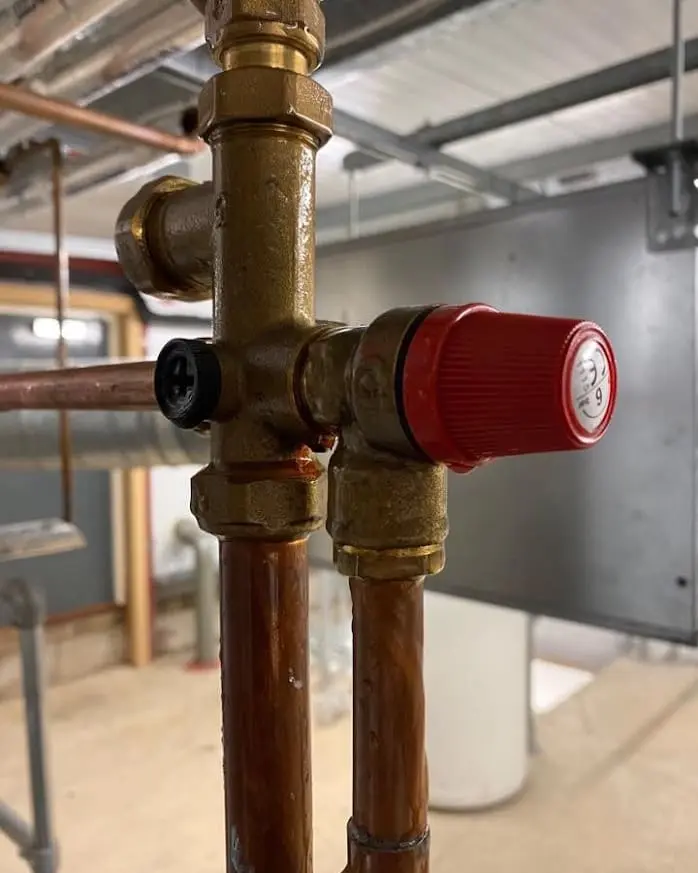
Plumbing is an essential aspect of any building, be it a residential home or a large-scale industrial facility. However, not all plumbing is created equal. The differences between domestic and industrial plumbing are significant, with each requiring a unique set of skills and expertise. In this blog post, we will delve into the intricacies of these two types of plumbing and highlight the role of an industrial plumber.
Understanding Domestic Plumbing
Domestic plumbing, as the name suggests, pertains to the plumbing systems found in residential homes. This includes everything from installing and repairing pipes that supply water to your home, to fixing your bathroom fixtures and appliances like dishwashers or washing machines.
The scope of domestic plumbing is generally limited to ensuring that clean water flows into the house and waste water is efficiently carried away. A domestic plumber often deals with common issues such as leaky faucets, clogged drains or malfunctioning water heaters.
The Complexity of Industrial Plumbing
Industrial plumbing, on the other hand, involves much more complex systems found in industries such as manufacturing plants, power stations or chemical plants. An industrial plumber has to deal with large-scale water supply systems, extensive waste removal systems and specialised equipment that are not found in residential settings.
Industrial plumbers need to have a deep understanding of different types of piping materials suitable for various industrial applications. They also need to be familiar with local building codes and regulations related to industrial structures.
Moreover, some industries require specific types of plumbing systems that can handle corrosive or hazardous materials. For instance, a food processing plant may require stainless steel pipes that can withstand high temperatures and resist corrosion from food acids.
Key Differences Between Domestic And Industrial Plumbing
Scale And Complexity
One key difference between domestic and industrial plumbing lies in their scale and complexity. While domestic plumbing involves working on smaller-scale projects within homes or small buildings, an industrial plumber works on large-scale projects that involve complex piping systems, heavy machinery and specialised equipment.
Materials Used
The materials used in domestic and industrial plumbing also differ significantly. Domestic plumbing often uses materials like PVC, copper or PEX for piping. On the other hand, industrial plumbing may require the use of more durable materials like stainless steel, cast iron or even specialised materials like glass-reinforced plastic (GRP) depending on the nature of the industry.
Regulations And Standards
Industrial plumbing is subject to stricter regulations and standards compared to domestic plumbing. This is due to the potential risks associated with industrial operations such as chemical spills or leaks that can pose serious environmental and health hazards. Therefore, an industrial plumber must be well-versed in local building codes and industry-specific regulations.
Training And Expertise
While both domestic and industrial plumbers require training and certification, becoming an industrial plumber typically requires more extensive training due to the complexity of industrial plumbing systems. They need to have a comprehensive understanding of hydraulic systems, welding techniques, reading blueprints, and safety protocols specific to various industries.
Conclusion
In conclusion, while both domestic and industrial plumbing share the basic principles of ensuring efficient water supply and waste removal, they differ greatly in terms of scale, complexity, materials used, regulations followed and level of expertise required.
An industrial plumber plays a crucial role in maintaining the functionality and safety of large-scale industries. Their work goes beyond fixing leaks or unclogging drains; they ensure that industries can operate smoothly without any disruptions caused by plumbing issues.
So next time you encounter a large-scale plumbing issue at your factory or plant, remember not just any plumber will do – you need the expertise of a qualified industrial plumber! Heat365 provides industrial plumbing services in Sheffield for factories, plants and commercial sites across South Yorkshire.