Toilet problems are never convenient, and it’s tempting to grab a plunger and hope for the best. Sometimes that’s exactly the right move – but in other cases, DIY attempts can make the damage (and the bill) much worse. This guide explains when you can safely repair a toilet yourself and when you really do need a professional plumber in Sheffield.
Common toilet problems you can usually fix yourself
There are a few straightforward issues most confident DIYers can tackle with basic tools and a bit of patience:
1. Slow or partial flushes
If the toilet flush is weak but not fully blocked, the problem is often inside the cistern:
- Lift the cistern lid and check the fill level – it may be set too low.
- Inspect the flush valve or flapper for wear, warping or debris.
- Make sure the chain or cable from the handle or button isn’t tangled.
Replacement flush valves and siphons are widely available and usually come with instructions. Turn off the water supply, drain the cistern and take your time. If you’re not comfortable working with internal parts, it’s safer to call a professional via the Plumbing Sheffield page.
2. Constantly running toilet
A toilet that never stops refilling wastes a lot of water. Typical DIY‑friendly causes include:
- A worn or misaligned flush seal
- A sticking float or faulty fill valve
- Debris caught under the flush valve
Many modern fill valves can be replaced without removing the cistern from the wall or pan. If you have an older concealed cistern or can’t easily access the parts, it’s usually quicker and safer to bring in a plumber.
3. Minor blockages near the pan
Soft blockages caused by excess toilet paper or non‑flushable items can often be cleared with:
- A good quality plunger that seals properly over the outlet
- A toilet auger (closet snake) for stubborn clogs near the pan
Wear gloves, protect the floor and avoid using harsh chemical unblockers – they can damage pipes and make later repairs more hazardous. If the blockage keeps returning or affects multiple fixtures (toilet, bath and basin), it’s time to call a specialist through the Drain Cleaning and Unclogging service.
Toilet problems that need a professional plumber
Some issues are more complex, involve hidden pipework or carry a higher risk of leaks and structural damage. In these cases, a qualified plumber is the safest option.
1. Leaks at the base of the toilet
Water pooling around the base of the toilet can indicate:
- A failed wax ring or pan connector
- Cracks in the toilet pan
- Loose fixings or movement in the toilet itself
These leaks may involve waste water, not just clean supply water, and can quickly damage floors and ceilings. Fixing them properly often means lifting the toilet, checking the soil pipe and refitting with new seals – a job best left to an experienced plumber.
2. Repeated blockages or slow draining
If your toilet blocks regularly, gurgles, or drains very slowly even after plunging, the problem may be:
- Further down the waste pipe or outside the property
- Caused by tree roots, collapsed pipes or heavy scale
- Linked to other fixtures backing up at the same time
In these cases you’ll need professional tools such as drain rods, high‑pressure jetting or CCTV inspection. The Drain Cleaning and Unclogging page explains how serious blockages are dealt with and what to expect.
3. Cracked or damaged toilet pan or cistern
Hairline cracks can quickly become full breaks, leading to sudden leaks and flooding. If you can see visible cracks in the pan or cistern, or the toilet moves when you sit on it, don’t ignore it. A plumber can:
- Assess whether repair is possible or a replacement toilet is needed
- Check the condition of fixings, sealant and the floor beneath
- Ensure the new installation is properly secured and sealed
4. Concealed cisterns and wall‑hung toilets
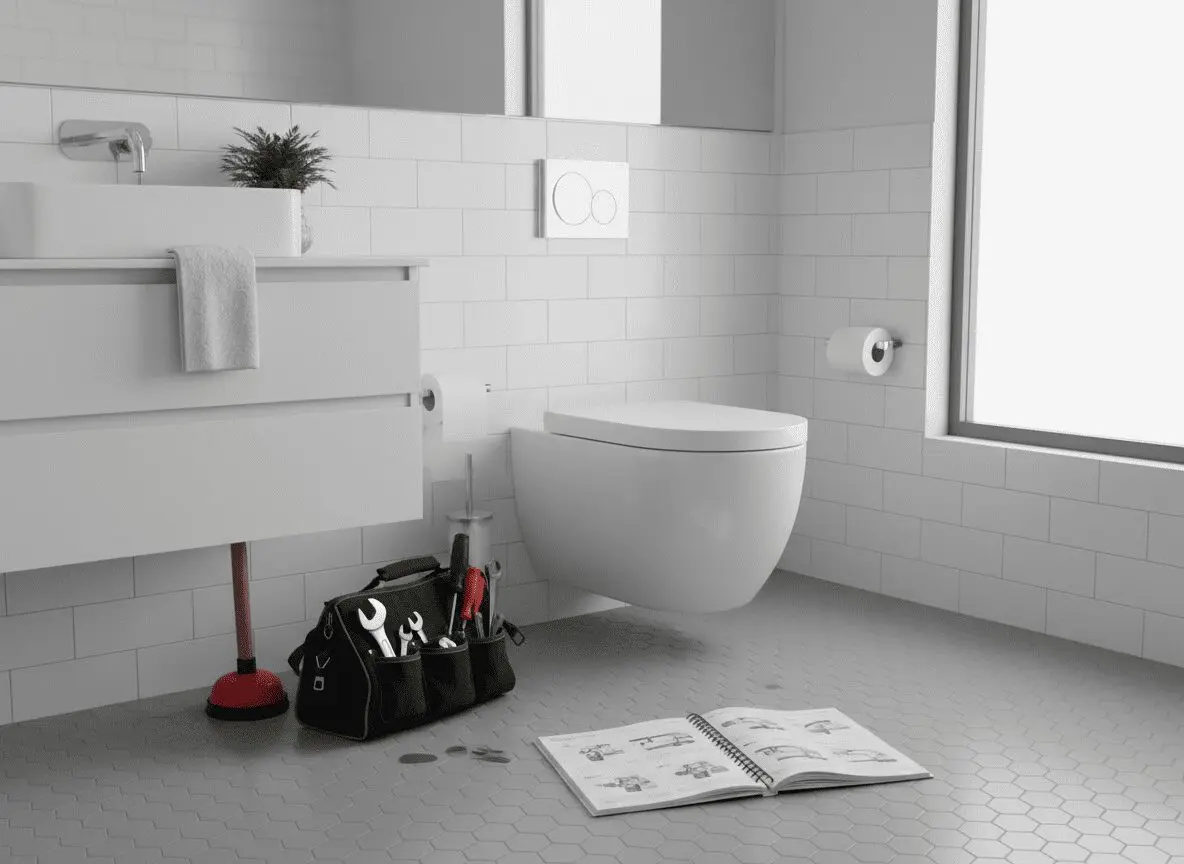
Modern bathrooms often hide the cistern behind tiles or furniture. While this looks neat, it makes DIY repairs far more complicated. Access panels are sometimes small, and damaging tiles or furniture can be expensive. A professional plumber with experience in bathroom renovation work is usually the best choice here.
Safety tips before you attempt any DIY toilet repair
Before you pick up a screwdriver or plunger, make sure you:
- Locate and test the isolation valve for the toilet’s water supply
- Protect the floor with old towels or a waterproof sheet
- Wear gloves and wash hands thoroughly afterwards
- Check manufacturer instructions if you have them
- Know your limits – if you’re unsure, stop and call a professional
Remember that mistakes with toilets and waste pipes can lead to leaks inside walls and floors, which may not show up immediately. If you’re already dealing with broader leak issues in your home, the Leak Detection & Repair page is worth a read before you start.
How a professional plumber will approach toilet repairs
When you book a plumber in Sheffield, they will typically:
- Ask about the history of the problem and any previous DIY attempts
- Inspect the toilet, cistern, pipework and surrounding area
- Test for hidden leaks or movement in the pan and fixings
- Use specialist tools to clear or diagnose deeper blockages if needed
- Advise whether repair or replacement is the most cost‑effective option
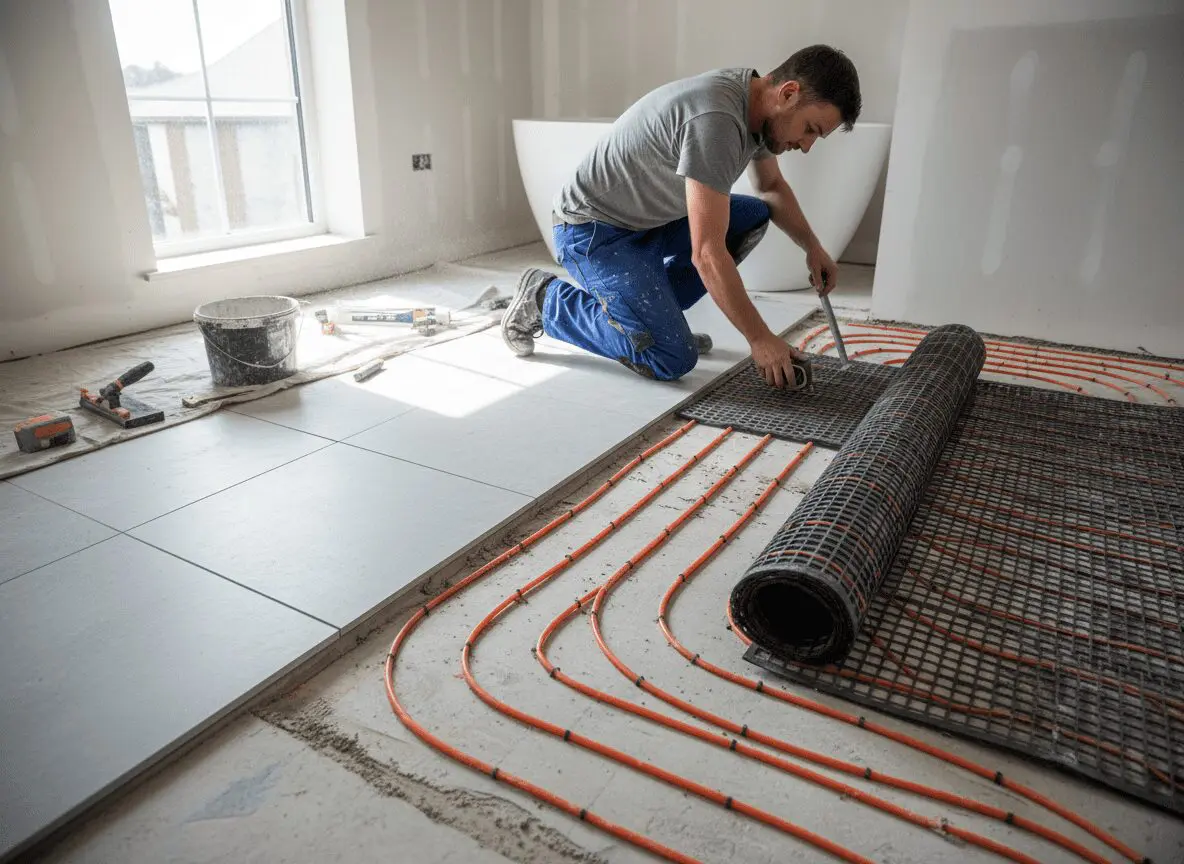
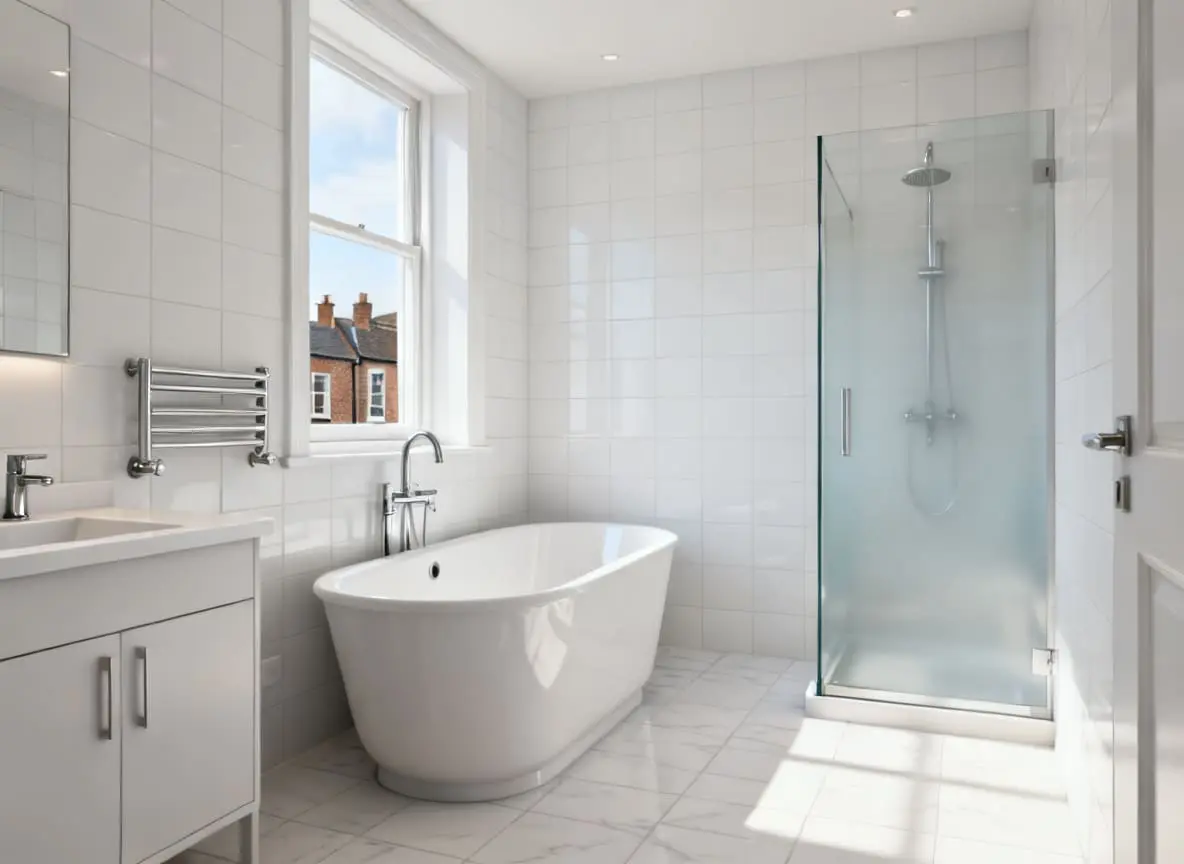
For more complex bathroom issues – such as persistent leaks, damaged flooring or a tired layout – it may be more sensible to plan a partial refurbishment. The Bathroom Renovation Sheffield page explains how toilet upgrades can be integrated into a wider project.
When to upgrade rather than repair
Sometimes a toilet is simply at the end of its useful life. Consider replacement instead of repeated repairs if:
- The toilet is very old, stained or cracked
- Spare parts are hard to find or no longer available
- You’re planning a new bathroom layout or accessibility improvements
- You’ve had multiple leaks or blockages in a short period
Upgrading to a modern, water‑efficient toilet can also reduce your water bills and improve the overall look of the bathroom, especially when combined with other bathroom improvements.
Key takeaways: DIY toilet repair vs calling a plumber
- DIY is fine for simple internal cistern issues and minor, one‑off blockages.
- Call a plumber for leaks at the base, repeated blockages, cracks or concealed cisterns.
- Always isolate the water supply before working on your toilet.
- If in doubt, protect your home and let a professional handle it.
If you’re currently dealing with a toilet problem and aren’t sure which way to go, start with the Plumbing Sheffield page to arrange expert help, or explore bathroom renovation options if your toilet issues are part of a bigger update you’ve been putting off.