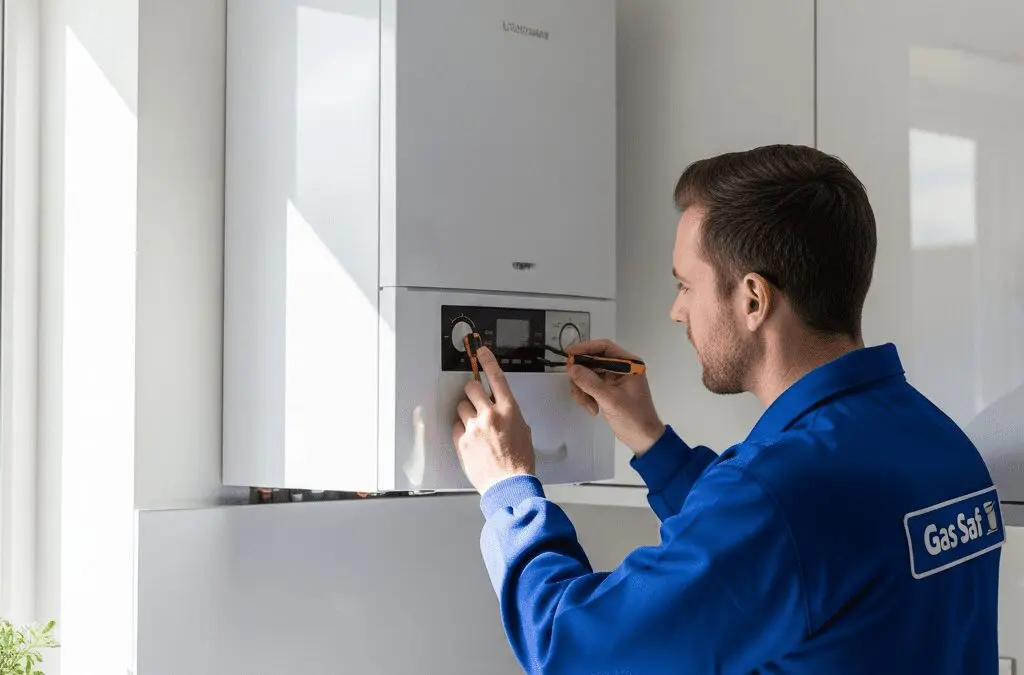
Most boiler breakdowns in Sheffield happen in October and November — right when you need heating the most. The majority are preventable. Knowing the early warning signs that your boiler needs a service could save you from a cold home, an expensive emergency call-out, and a much larger repair bill.
Why annual boiler servicing matters
A boiler service is not just a box-ticking exercise. It is the single most effective thing you can do to extend the life of your heating system, maintain fuel efficiency, and catch developing faults before they become costly failures.
Most boiler manufacturers require annual servicing to keep the warranty valid. Skipping a year might not seem consequential, but a missed service often means a voided warranty — and if something does go wrong, you will be paying the full repair cost out of pocket.
Beyond warranty protection, a well-serviced boiler burns fuel more cleanly and efficiently. Over a full heating season, that difference can add up to a noticeable reduction in your gas bills — particularly relevant as energy costs across Sheffield and the UK remain significantly higher than a decade ago.
A service also gives a Gas Safe engineer the chance to spot components wearing out before they fail entirely. Replacing a thermocouple or pressure relief valve during a routine service is a fraction of the cost of an emergency call-out after those parts fail mid-winter.
How often should a boiler be serviced?
Once a year — ideally in late summer or early autumn, before the heating season begins. This ensures your boiler has been checked, cleaned, and adjusted before it starts running for hours every day through the colder months. Summer servicing also means engineers are more available and waiting times are shorter.
Strange noises from your boiler
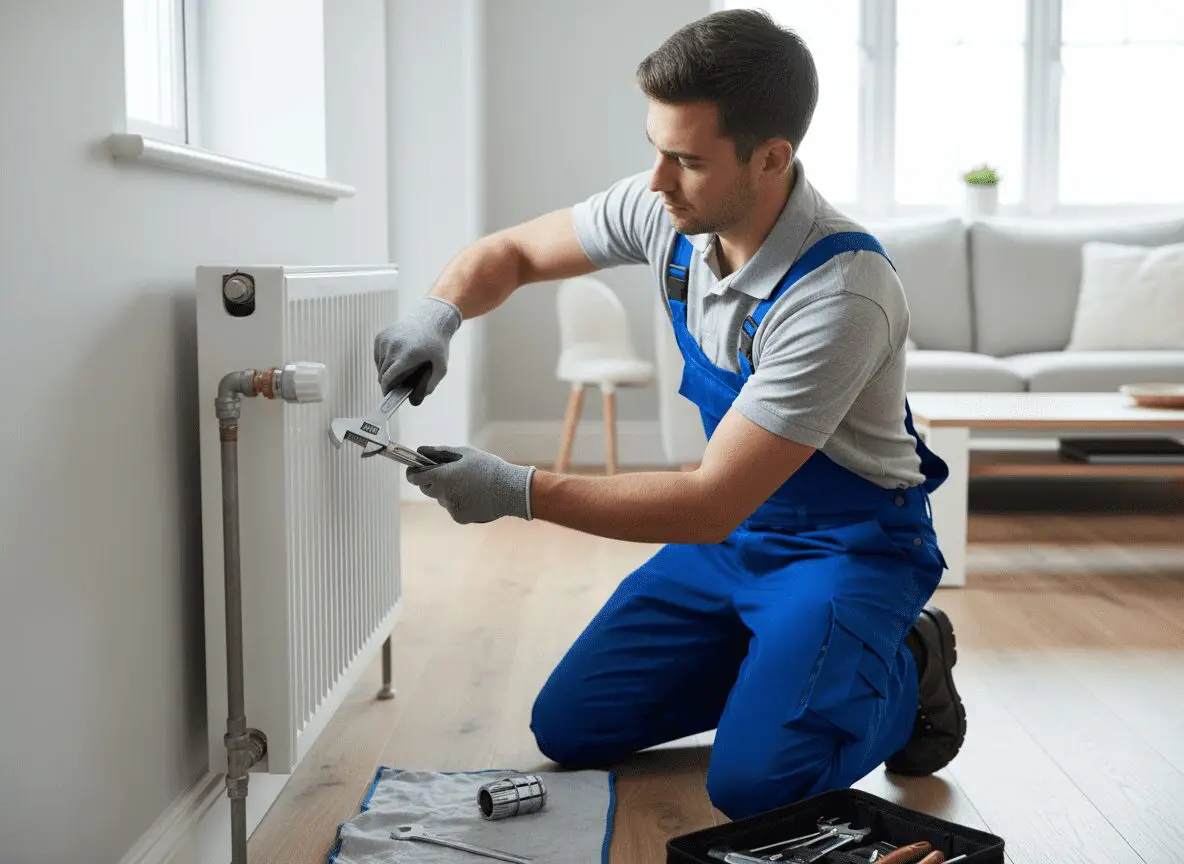
A healthy boiler runs quietly with only the sound of ignition, the burner, and the pump. If yours has started making noises it did not make before, that is a reliable early warning that something needs attention.
Banging or kettling
A banging or rumbling noise — often called kettling — is typically caused by limescale or sludge build-up on the heat exchanger. The sound is similar to a kettle boiling and is caused by water overheating in a restricted area. Sheffield’s water supply is moderately hard in some areas, making limescale accumulation more common. A service will clean the heat exchanger and assess whether a chemical descaler or inhibitor treatment is needed.
Gurgling
Gurgling from your boiler or pipework usually indicates trapped air in the heating system. This is common after system work, after radiators have been bled, or if system pressure has dropped and been refilled. It can usually be resolved during a service, but persistent gurgling can also point to a pump issue or a slow water leak in the circuit.
Whistling
A high-pitched whistle from the boiler body itself is sometimes caused by restricted water flow — often due to a partially closed valve, a failing pump, or heat exchanger scaling. A whistling that sounds like a high-frequency hum can indicate a faulty pump bearing starting to fail. Both warrant prompt investigation before the component fails entirely.
Clicking that does not lead to ignition
Intermittent clicking during ignition is entirely normal — that is the igniter sparking. Repeated clicking that does not result in the boiler lighting suggests a faulty ignition electrode, a spark gap problem, or a gas supply issue. If your boiler clicks continuously but will not ignite, call a Gas Safe registered engineer rather than resetting repeatedly.
Boiler losing pressure repeatedly
Your boiler’s pressure gauge should sit between 1.0 and 1.5 bar when the system is cold. A very gradual drop over several months can be normal. But if you find yourself topping up the pressure every few weeks, that is a sign of a leak somewhere in the sealed system.
Common causes of repeated pressure loss include:
- A weeping pressure relief valve (PRV) — common on older boilers where the valve is no longer sealing correctly
- A pinhole leak in a radiator or pipe joint — small enough to be invisible but large enough to slowly deplete system pressure
- A faulty filling loop left partially open, allowing water to escape through the overflow
- A micro-leak at the boiler itself — often around the pump housing, heat exchanger connections, or flow and return fittings
A service will include a full pressure check and visual inspection of the boiler casing, exposed pipework, and radiators. If the engineer identifies the source of the pressure loss, it can usually be repaired during the same visit. If you have been ignoring recurring pressure drops for months, mention this when booking — it helps the engineer come prepared with the right parts.
More detail on pressure issues is available in our guide to boiler pressure loss: causes and fixes.
Rising energy bills without explanation
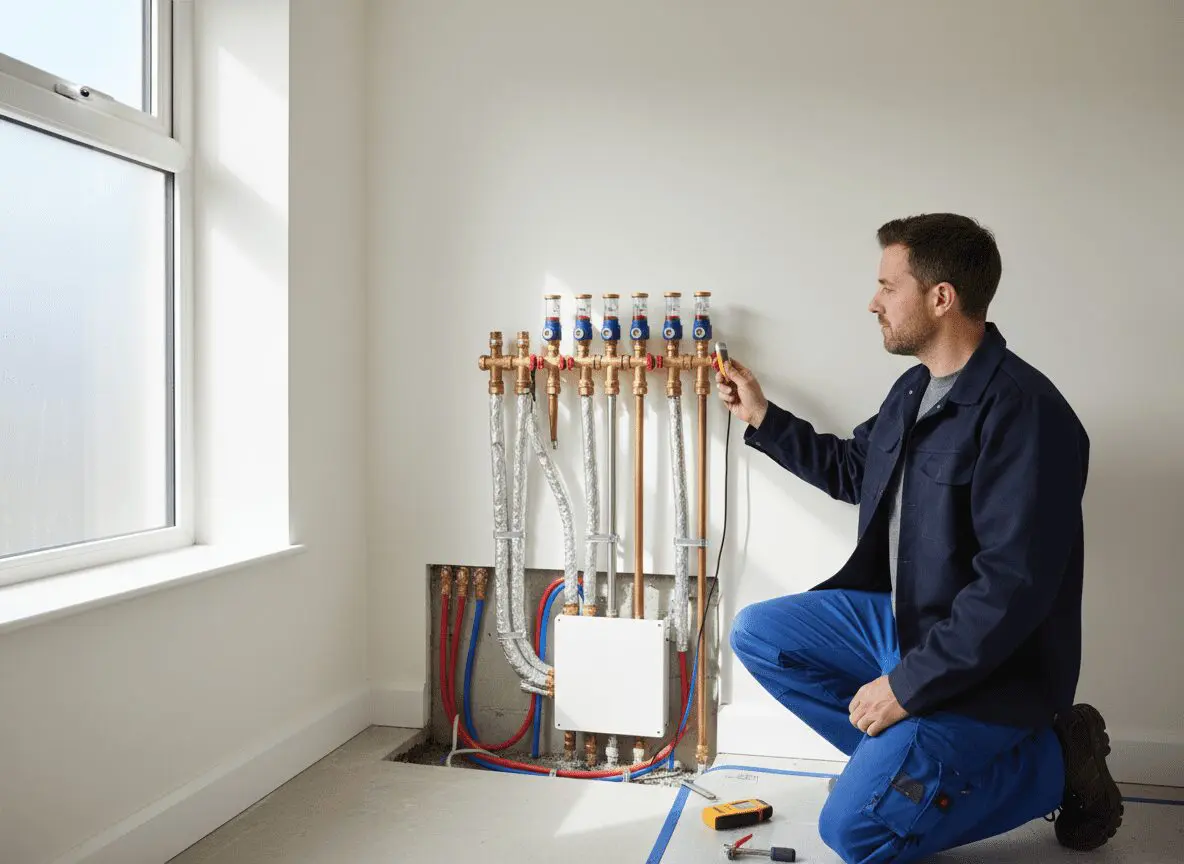
If your gas usage has increased noticeably year-on-year — and you have not changed your habits, had unusually cold winters, or extended the heated area of the house — an inefficient boiler is a likely contributor.
As boilers age and accumulate internal deposits, they have to work harder to heat the same volume of water. A boiler that was 90% efficient when new may drop significantly in efficiency without regular maintenance. At current gas prices, even a 5–10% efficiency drop is costly across a full heating season in Sheffield.
A service includes a combustion efficiency test — the engineer measures the composition of the flue gases to confirm whether the boiler is burning gas as cleanly and completely as it should. If efficiency has fallen, adjustments to the air-to-gas ratio and cleaning of burner components can often restore performance during the service visit.
Check for other causes first
Before attributing rising bills solely to the boiler, check whether your heating controls are set correctly, whether TRVs on radiators are working properly, and whether there are obvious draughts or insulation gaps increasing heat loss. All of these affect how hard your boiler has to work regardless of its own efficiency.
Flame colour: blue is good, yellow or orange needs attention
If you can see your boiler’s flame through a viewing window, it should be a strong, steady blue colour. A yellow, orange, or flickering flame indicates incomplete combustion — the gas is not burning as efficiently or cleanly as it should be.
This is a potential carbon monoxide risk. Carbon monoxide is produced when gas burns incompletely, and even low-level exposure causes symptoms that can be mistaken for flu. Other warning signs that combustion may not be correct include:
- Yellow or brown soot staining around the boiler casing or flue outlet
- A pilot light that keeps extinguishing
- Excessive condensation building up on windows near the boiler
- Household members experiencing unexplained headaches, nausea, dizziness, or fatigue that improves when they leave the house
Carbon monoxide is silent, odourless, and dangerous
You cannot smell or see carbon monoxide. If you have any concern that your boiler is producing it — particularly if household members are experiencing unexplained symptoms — open windows immediately, leave the property, and call the Gas Emergency line on 0800 111 999. A carbon monoxide alarm fitted near the boiler provides an early warning. They cost around £20–£30 and are strongly recommended in every home with a gas appliance.
Radiators heating unevenly or not at all
The boiler itself may be working correctly while the wider heating system is underperforming. If some radiators are cold while others heat normally, the issue usually lies in one of the following areas:
- Trapped air — bleed the cold radiator with a radiator key to release trapped air from the top of the panel
- Sludge accumulation at the bottom of the radiator — black iron oxide sludge settles out of the water over years of use and insulates the lower portion from the hot water flow. A power flush clears it.
- A stuck thermostatic radiator valve (TRV) — particularly common at the start of the heating season after the valve has not moved all summer. The pin inside can seize in the closed position.
- System imbalance — the flow rate through individual radiators may need adjusting if some rooms are significantly warmer than others despite all radiators appearing to function.
A boiler service will include a system-wide assessment. If your radiators have cold spots or consistently underperform, let the engineer know when you book — it helps them allocate sufficient time and bring the right equipment.
For persistent radiator problems, our radiator service page covers installation, replacement, and system balancing across Sheffield.
Slow or inconsistent hot water
If your hot water takes longer to arrive than it used to, or the temperature fluctuates unexpectedly during a shower, a service may identify the underlying cause. Common culprits on combi boilers include:
- A partially blocked or sticking diverter valve — this valve routes water to heating or domestic hot water on demand. It can stick in an intermediate position, meaning the boiler splits output between both circuits rather than dedicating full output to hot water.
- A scaled or restricted heat exchanger — limescale narrows the internal flow path, reducing both the volume of hot water available and the flow rate at the tap.
- A faulty thermistor or temperature sensor — if the sensor reads incorrectly, the boiler may cut out before water reaches target temperature, or overheat and cut out abruptly.
In most cases these are repair-level issues that a Gas Safe engineer can diagnose and fix, often on the first visit. They are worth catching early — a sticking diverter valve left untreated can eventually leave you with no hot water at the most inconvenient moment.
When to book your boiler service in Sheffield
Late summer — July through to early September — is the ideal window for booking an annual boiler service. Demand for heating engineers in Sheffield rises sharply from October onwards as temperatures drop and heating-related faults increase. Booking before this rush secures your preferred slot and means your boiler is checked and ready before it has to work hard.
If your boiler has not been serviced in over twelve months, book regardless of the time of year. The longer the gap between services, the higher the chance of an underlying issue that has gone undetected and is gradually worsening.
What to expect at a Heat365 boiler service
- Visual inspection of the boiler, flue, and all exposed pipework connections
- Internal component check — burner, heat exchanger, electrodes, seals, and gaskets
- Combustion efficiency test and flue gas analysis
- Gas pressure and flow rate check
- System pressure assessment and top-up if required
- Safety device testing — overheat thermostat, pressure relief valve, and carbon monoxide check
- Written service record provided for your records and warranty documentation
All Heat365 engineers are Gas Safe registered and carry ID on every visit. Call 07534 793949 or visit our boiler servicing Sheffield page to request an appointment.
Frequently asked questions about boiler servicing
How long does a boiler service take?
Most standard boiler services take between 45 minutes and one hour. If the engineer finds issues requiring additional work — such as cleaning a heavily scaled heat exchanger or replacing a worn component — the time and cost will increase accordingly. The engineer will always discuss any additional work with you before proceeding.
What is the difference between a boiler service and a boiler repair?
A service is preventative maintenance — checking, cleaning, and testing all components while the boiler is functioning. A repair addresses a specific fault that has already caused the boiler to stop working correctly. Regular annual servicing dramatically reduces the likelihood of needing unplanned repairs, which are invariably more expensive and always seem to happen at the worst time.
Can I service my own boiler?
No. Any work on a gas appliance — including boiler servicing — must be carried out by a Gas Safe registered engineer. Attempting to service a gas boiler yourself is illegal and dangerous. You can verify any engineer’s Gas Safe registration at gassaferegister.co.uk using their licence card number.
My boiler is over 15 years old — is it worth servicing?
Yes — at minimum to get a proper condition assessment. An older boiler may be inefficient and due for replacement, or it may have years of life remaining with the right maintenance. A service gives you an honest, informed picture of its current condition and efficiency, allowing you to make a considered decision about repair versus replacement rather than being forced into an emergency decision mid-winter.
Does a boiler service cover parts?
A standard boiler service covers the cost of the engineer’s time and cleaning work. If replacement parts are needed — for example a new electrode, thermocouple, or pressure relief valve — these are charged separately. The engineer will always quote for parts before fitting them.