A radiator making unusual noises is one of the most common heating complaints Sheffield homeowners contact us about — and almost always, the sound is a diagnostic clue rather than a crisis. Gurgling means something different to banging, and banging means something different to hissing. This guide explains what each noisy radiator sound actually indicates, what you can fix yourself, and when a heating engineer should take a look.
Noisy radiator causes at a glance
| Sound | Most likely cause | Fix |
|---|---|---|
| Gurgling | Trapped air in the system | Bleed the radiator |
| Banging / kettling | Limescale deposits (hard water areas) | Power flush — engineer needed |
| Loud single thump | Water hammer or loose pipework | Check pipe brackets; engineer if persistent |
| Hissing | Partially open bleed valve | Close the bleed valve fully |
| Clicking (at night) | Thermal expansion of metal pipes | Usually normal; check pipe brackets if loud |
| Trickling / rushing | System pressure too high | Check boiler pressure gauge; reduce if above 2 bar |
What does a gurgling radiator mean?
Gurgling is the most common radiator noise — and the easiest to fix. It means air has become trapped in the radiator, preventing hot water from circulating properly. You will often notice the top of the radiator is cooler than the bottom alongside the gurgling. See our detailed guide on how to bleed a radiator step by step for a full walkthrough, but in summary: use a radiator key on the bleed valve, let the air escape until water appears, then close it.
Radiators accumulate air for several reasons: recent draining and refilling of the system, a small leak pulling air in at a low-pressure point, or a faulty auto air vent elsewhere in the system. If you find yourself bleeding the same radiator every few weeks, it is worth having an engineer check for an underlying cause rather than just treating the symptom.
Why is my radiator banging?
Banging — sometimes called kettling — is more serious than gurgling. There are two main causes:
Kettling (limescale buildup)
In hard water areas, limescale builds up inside the boiler heat exchanger and within the system pipework over time. When water flows through a scaled-up section, it overheats and produces a low rumbling or banging noise similar to a kettle. Kettling is particularly common in systems that have never been flushed and where no inhibitor has been used.
The fix is a power flush: a qualified heating engineer connects a high-velocity pump to the system and pushes a chemical cleaning solution through every radiator and pipe run to dislodge the scale and sludge. A professional power flush typically costs £300–£600 for an average Sheffield home, depending on the number of radiators and the severity of the buildup. It is not a DIY job.
Water hammer
A sharper, single-thump banging — often heard when the heating turns on or off — is more likely to be water hammer: a pressure wave created when a valve closes quickly and flow stops suddenly. It can also be caused by loose pipe brackets that allow pipework to knock against joists or floorboards. Tightening any accessible loose brackets is a reasonable first step; if the noise persists, an engineer should check the system pressure and valve operation.
What does radiator hissing mean?
A hissing sound almost always points to the bleed valve. If the valve has not been closed fully after a previous bleeding, air or water can escape slowly, producing a persistent hiss. Close the bleed valve firmly — but do not overtighten, as this can damage the valve seat — and check whether the noise stops.
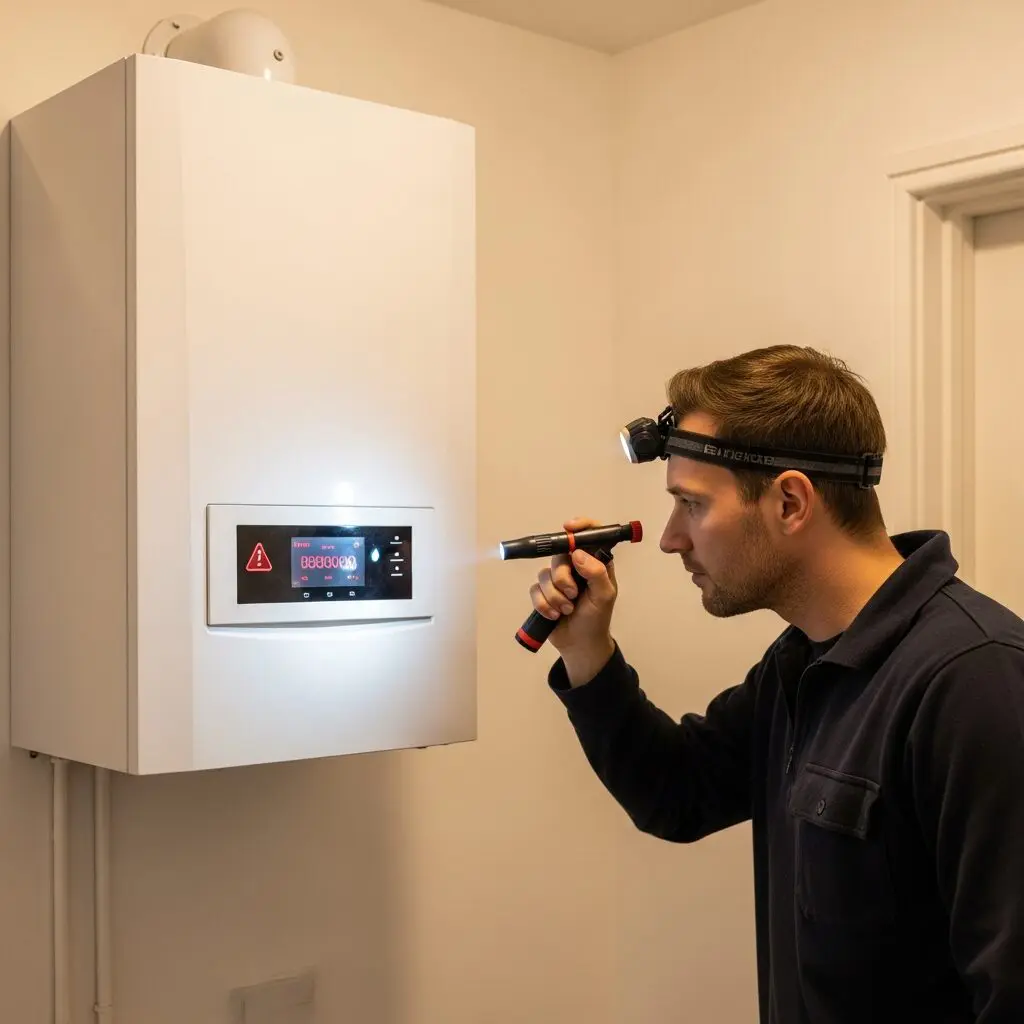
If the hissing continues with the bleed valve closed, it may indicate a small internal leak at a valve or fitting, or higher-than-normal system pressure. Check the boiler pressure gauge: the normal operating range is 1–1.5 bar when the system is cold. Above 2 bar is considered high and should be investigated. Do not ignore a persistent hiss with a fully closed bleed valve.
Why do radiators click at night?
Clicking — especially in the evening or overnight as the heating cools down — is almost always thermal expansion. Metal pipes expand when they heat up and contract as they cool. Where a pipe passes through a tight-fitting bracket, notch, or floorboard slot, the movement causes the pipe to tick or click. This is a normal physical process, not a sign of a fault.
If the clicking is very loud or accompanies other symptoms (cold patches, reduced pressure, visible damp), it is worth having an engineer check. But isolated clicking, once you have ruled out other noises, is generally nothing to worry about.
When can you fix a noisy radiator yourself?
Two situations are safe for homeowners to tackle without an engineer:
- Bleeding a gurgling radiator: Requires a radiator key (available from hardware stores for around £2), a cloth, and five minutes. The full process is in our step-by-step bleeding guide. Always check the boiler pressure gauge afterwards and top up via the filling loop if it has dropped below 1 bar.
- Closing a hissing bleed valve: Use a radiator key to close it firmly. Do not overtighten.
Everything else — kettling, persistent banging, trickling with high pressure, or noise that worsens over time — should be assessed by a qualified heating engineer.

When should you call a heating engineer about a noisy radiator?
- Banging or kettling that does not improve after bleeding
- A radiator that needs bleeding more than once a month (suggests a leak drawing air in)
- Hissing with the bleed valve fully closed
- System pressure regularly dropping or rising on its own
- Cold patches across multiple radiators at once (suggests heavy sludge)
- Any radiator that is cold at the bottom — sludge collecting at the base is a different problem to trapped air
If your radiators are old, corroded, or consistently underperforming, it may be worth looking at radiator replacement costs in Sheffield, or reading our guide on whether to repair or replace a radiator.
Heat365 covers radiator repair, replacement and installation across Sheffield and the surrounding areas, including Rotherham, Chesterfield and Barnsley.
Should I turn my heating off if my radiator is very noisy?
For gurgling or clicking: no, you do not need to. These are not dangerous. For loud, persistent banging or for any noise accompanied by visible leaks or a sudden drop in boiler pressure: yes, turn the heating off and call an engineer. A seriously noisy system that is also losing pressure may indicate a developing fault that is better caught early.
Frequently asked questions
Why is my radiator making a gurgling noise?
Gurgling means trapped air in the radiator. Bleed it using a radiator key to release the air — water should follow shortly after, at which point you close the valve. Check the boiler pressure gauge once done and top up if it has dropped below 1 bar.
Why does my radiator bang when the heating comes on?
Banging at startup usually points to kettling (limescale buildup) or water hammer from rapid valve closure. Kettling requires a power flush by a qualified engineer. Water hammer may be addressed by checking pipe brackets for looseness.
Is a noisy radiator dangerous?
Most radiator noises are not dangerous — gurgling and clicking are very common and harmless. Persistent loud banging combined with pressure loss or visible leaks should be investigated promptly by a heating engineer, as it may indicate a more serious system fault.
How do I stop my radiator from making noise?
Start by bleeding the radiator (fixes most gurgling). Check all bleed valves are fully closed (fixes hissing). If the noise is kettling, book a power flush. For clicking, check pipe brackets. For problems that return repeatedly, call a heating engineer to identify the root cause.
Noisy radiators in Sheffield? Get in touch.
Heat365’s heating engineers diagnose and fix noisy radiator problems across Sheffield, Rotherham, Chesterfield, Barnsley and surrounding areas — from a quick bleed to a full power flush.