Why Is Your Water Bill Suddenly Higher? Hidden Leak Signs to Watch
A higher water bill is easy to dismiss at first. Maybe usage went up a bit. Maybe the supplier changed something. Maybe it is just one of those months.
Quick answer: If your water bill has gone up suddenly and nothing in your household routine has changed much, a hidden leak is one of the first things worth ruling out. Common signs include damp patches, mould, musty smells, unexplained boiler pressure loss, warm or cold spots on floors, and the sound of running water when everything is switched off.
That is not guesswork. Heat365’s own leak detection page lists rising water bills, damp patches, and low pressure as common hidden leak signs, while its leak detection guide also highlights boiler pressure loss, floor temperature changes, and running water sounds as reasons to investigate. :contentReference[oaicite:4]{index=4}
The problem with hidden leaks is simple. They often stay out of sight long enough to do real damage. By the time a stain shows on a ceiling or a floor starts lifting, the water may have been escaping for weeks or months.
This guide explains what to look for, why a higher bill can be an early clue, and when it makes sense to call for proper leak detection in Sheffield.
Contents
Why a higher water bill matters
Water bills usually rise for a reason. Sometimes that reason is simple. More laundry. More people in the house. A garden tap used more often than usual. A change in tariff or billing pattern.
But if the increase feels out of step with how you actually use the property, it is worth taking seriously. Hidden leaks are one of the most common explanations for unexplained water loss because they let water escape steadily without creating an immediate obvious mess.
Heat365’s live leak detection service page says hidden leaks often show up as rising water bills, damp patches, or low pressure. :contentReference[oaicite:5]{index=5} Its later guide goes further and says a leak may only first show itself through a higher bill, a damp patch, or a musty smell while water is quietly damaging the home behind the scenes. :contentReference[oaicite:6]{index=6}
That is what makes a sudden higher bill worth checking. It may be the earliest warning sign you get.
The main hidden leak signs to watch
A hidden leak does not always behave the same way in every home. The signs depend on where the water is escaping, how long it has been leaking, and what materials it is affecting.
1. Damp patches on walls or ceilings
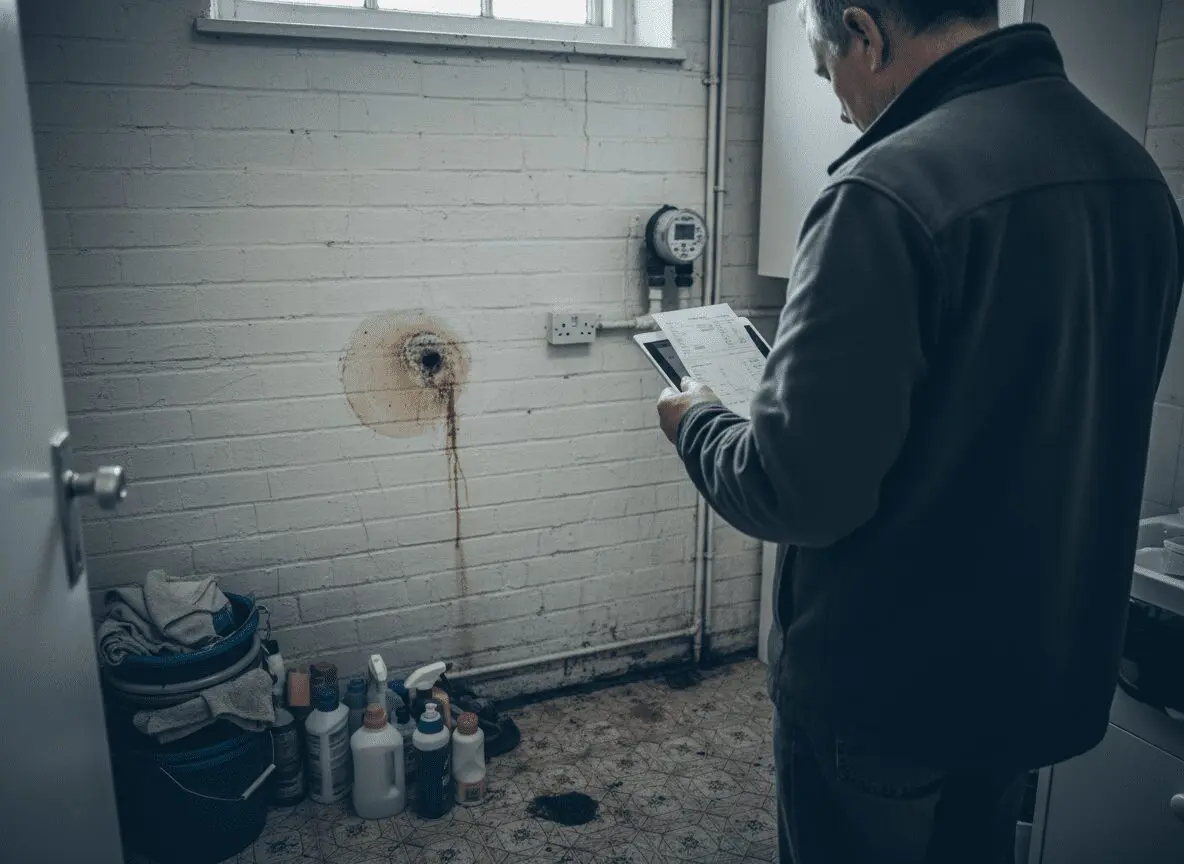
This is one of the most obvious clues once a leak has progressed. You may notice darker patches, staining, paint bubbling, plaster softening, or marks that seem to keep coming back.
Heat365’s leak detection service page points to damp spots and water stains as common leak indicators. :contentReference[oaicite:7]{index=7} If the patch is growing or returning after decorating, that is usually a sign the source has not been dealt with.
2. Musty smells that do not clear
A persistent damp smell often shows up before visible damage becomes severe. If one room keeps smelling musty even after cleaning and airing out, trapped moisture may be building up behind a wall, under a floor, or around concealed pipework.
Heat365’s newer leak detection guide names musty smells as one of the first signs that can point to a hidden leak. :contentReference[oaicite:8]{index=8}
3. Boiler pressure keeps dropping
This is one homeowners often miss. They top the boiler up, the pressure returns, and then the same thing happens again a few days later. Repeated pressure loss can point to a hidden leak in the heating system, especially when there is no obvious water escaping in plain view.
Heat365’s leak detection guide specifically says constant boiler pressure loss with no visible leaks is a reason to suspect a hidden leak. :contentReference[oaicite:9]{index=9}
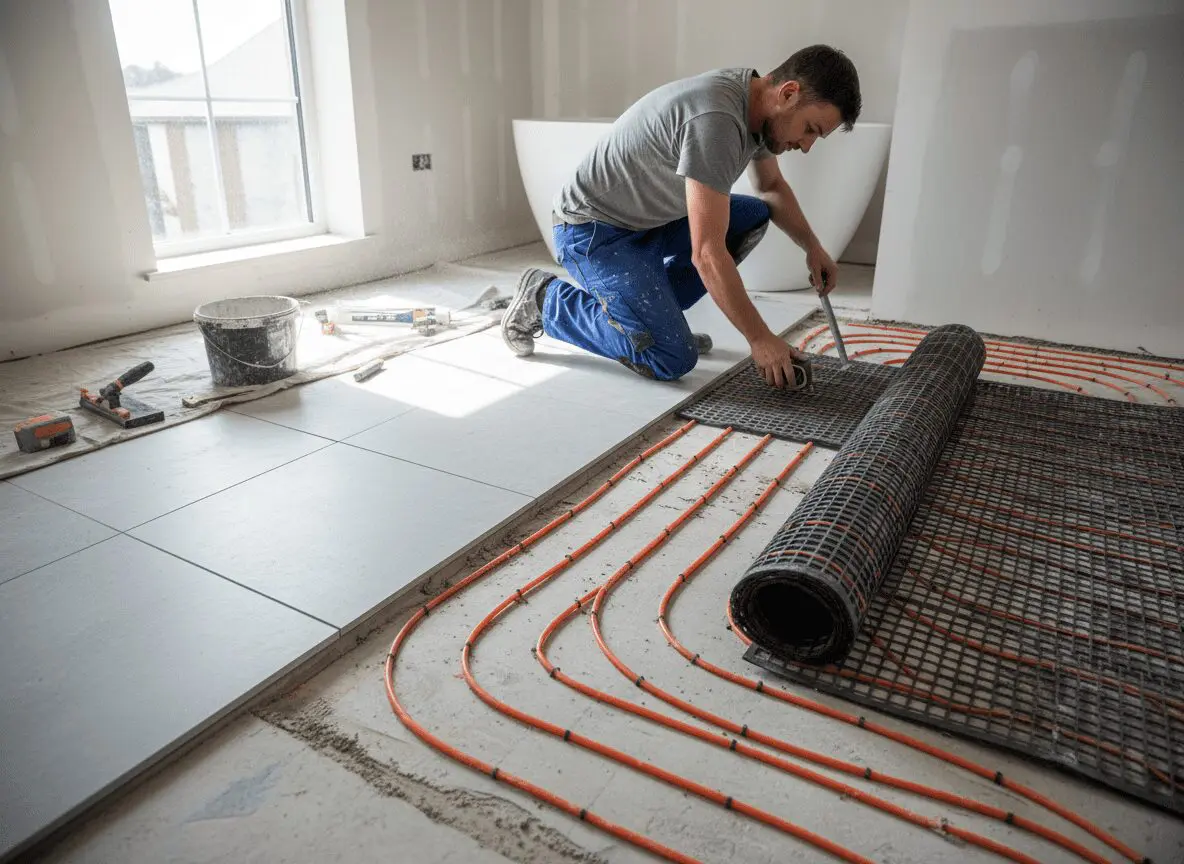
If your property also has underfloor heating, that clue matters even more because heating leaks can sit under finished floors without showing themselves straight away.
4. Warm or cold spots on floors
Unexpected temperature changes underfoot can point to pipework issues beneath the surface. A warm patch may suggest hot water escaping. A colder area can sometimes show where moisture is affecting the floor structure or insulation.
Heat365’s guide names warm or cold spots on floors as a common reason to consider professional leak detection. :contentReference[oaicite:10]{index=10}
5. The sound of running water when everything is off
If taps are off, appliances are quiet, and you can still hear water moving or dripping, do not ignore it. A hidden leak can sometimes be heard before it is seen.
Heat365’s guide includes the sound of running water when all taps are off as another key leak sign. :contentReference[oaicite:11]{index=11}
6. Mould that keeps returning
Mould does not always mean a plumbing leak. Poor ventilation can cause it too. But if mould keeps coming back in one localised area, especially alongside a musty smell or damp marking, excess moisture from a hidden leak becomes more likely.
7. Low pressure at taps or in parts of the system
Heat365’s main leak page flags low pressure as one of the warning signs for hidden leaks. :contentReference[oaicite:12]{index=12} If the water flow feels weaker than normal and there is no obvious reason, it is worth checking whether water is being lost before it reaches where it should.
8. Flooring lifting, warping, or changing shape
Leaks under floors often show up through the surface material first. Laminate may swell. Vinyl can lift. Timber can move. Tiles can loosen if moisture has been sitting underneath for long enough.
By the time this happens, the issue may have been there for a while.
Why hidden leaks are easy to miss
The clue is in the name. Hidden leaks are often concealed behind walls, under floors, inside ceilings, or within heating circuits. They do not always pour water into plain view.
That is why people often spend time looking in the wrong place. They check under the kitchen sink. They look around the boiler. They inspect visible radiator valves. Nothing stands out, so the problem gets put aside.
Heat365’s leak detection service page says it uses equipment to locate leaks in walls, floors, and underground pipes without immediately tearing the property apart. :contentReference[oaicite:13]{index=13} The later guide explains that modern leak detection often uses acoustic tools, thermal imaging, tracer gas, and moisture meters to narrow down the source before any targeted access is made. :contentReference[oaicite:14]{index=14}
That matters because the source and the damage do not always line up neatly. Water can travel. A stain on one wall may come from pipework higher up or further along the run. A damp patch on a ceiling may not sit directly under the leak itself.
Practical point: A hidden leak is often easier to confirm from a pattern of small clues than from one dramatic sign on its own. A higher bill plus a musty smell plus dropping boiler pressure is far more meaningful than any one of those in isolation.
Common places hidden leaks happen
Not all hidden leaks come from the same part of the property. The most likely spots tend to be the areas where water or heating pipes run out of sight.
Behind kitchen and bathroom walls
Pipework often runs inside boxed areas, behind units, or within stud walls. A leak here may not appear until the surrounding surface has already taken in a lot of moisture.
Under floors
This is a common area for hidden leaks because pipework is often buried or routed where you cannot see it. Heating loops, service pipes, and older plumbing can all cause issues beneath the floor surface.
Around boilers and heating circuits
Some faults start near the boiler, but the water may travel elsewhere. Heat365’s leaking boiler article says active leaks, repeated pressure loss, and internal dripping are warning signs that should not be ignored. :contentReference[oaicite:15]{index=15}
If the problem is urgent, with water escaping or reaching electrics, that moves into the territory of an emergency plumber in Sheffield. Heat365’s emergency plumbing page says it handles leaks, burst pipes, blocked drains, and boiler-related emergencies across Sheffield and nearby areas. :contentReference[oaicite:16]{index=16}
In older pipework runs
Older homes often have plumbing that has seen multiple alterations over the years. Joints, connections, and routed sections can all become weak points over time.
Heat365’s recent article on older Sheffield homes says ageing pipework is one of the biggest risks in older properties because hidden plumbing defects are more likely to be waiting behind finishes and floors. :contentReference[oaicite:17]{index=17}
What you can check first
You do not need to start opening walls or pulling floors up. A few sensible checks can help you work out whether a leak is worth suspecting.
- Compare your recent water bills with earlier ones
- Think about whether household water use has genuinely changed
- Check for damp patches, bubbling paint, or staining
- Notice whether there is a musty smell in one area
- Watch whether the boiler pressure keeps dropping
- Listen for water sounds when taps and appliances are off
- Check whether floors feel unusually warm, cool, soft, or uneven
If several of those signs are present together, the case for leak detection becomes stronger. Heat365’s guide also notes that leak detection is often linked to wider heating symptoms such as cold patches on radiators, underperforming underfloor heating, or ongoing pressure loss. :contentReference[oaicite:18]{index=18}
That can tie in with routine heating checks too. If your system is older or behaving oddly, a service page such as boiler servicing in Sheffield may also be relevant as part of the wider picture.
Why waiting can cost more
The biggest mistake with hidden leaks is delay. Because the leak is not obvious, people often wait for a clearer sign. The trouble is that clearer signs usually mean more damage.
Water escaping behind walls or under floors can affect plaster, flooring, joinery, paint, ceilings, and nearby electrics. The leak itself may still be small, but the damage around it can grow while the problem stays hidden.
Heat365’s leak detection guide says the goal of modern leak tracing is to pinpoint the problem as accurately as possible so floors and walls are opened only where needed. :contentReference[oaicite:19]{index=19} That is a much better route than waiting until large areas need pulling apart just to find the source.
There is also the cost of the wasted water itself. A leak does not need to be dramatic to push a bill up over time.
When to call for leak detection
Call when the signs are stacking up, even if you cannot yet see the source. That includes:
- a sudden unexplained rise in the water bill
- damp marks or mould that keep returning
- boiler pressure loss with no visible leak
- warm or cold floor patches
- the sound of water running when everything is off
- any suspicion of water escaping beneath floors or behind walls
Heat365’s leak detection service page says it covers homes, landlords, and commercial buildings across Sheffield and uses specialist equipment to find leaks in walls, floors, and underground pipes before carrying out repairs. :contentReference[oaicite:20]{index=20}
If the situation feels urgent because water is actively escaping, damaging finishes, or getting near electrics, go straight to the emergency route. Heat365’s emergency plumbing page says it provides fast response across Sheffield for leaks, bursts, no water, no heating, and other urgent plumbing issues. :contentReference[oaicite:21]{index=21}
Higher water bill first, damage second
A hidden leak often shows itself financially before it shows itself physically. That is why a water bill matters more than people think. It can be the first visible clue to a problem that is still hidden.
If the bill has jumped, the boiler pressure keeps dropping, a room smells damp, or a floor feels different underfoot, that is enough reason to stop guessing and start ruling things out properly.
You do not need a dramatic burst pipe to justify leak detection. Sometimes the smartest move is acting while the signs are still small.
Think a hidden leak could be pushing your water bill up?
If you have damp patches, pressure loss, musty smells, or a sudden rise in water use, get in touch with Heat365 for leak detection and repair in Sheffield.
Frequently Asked Questions
Can a hidden leak really cause a high water bill?
Yes. Heat365’s leak detection page lists rising water bills as one of the key signs of a hidden leak. Even a small leak can waste a surprising amount of water if it runs continuously over time. :contentReference[oaicite:22]{index=22}
What are the first signs of a hidden water leak?
Common early signs include a higher bill, damp patches, a musty smell, mould, boiler pressure loss, low pressure, unusual floor temperature changes, and the sound of running water when everything is off. :contentReference[oaicite:23]{index=23}
Can a hidden leak affect my boiler pressure?
Yes. Heat365’s leak detection guide says constant boiler pressure loss with no visible leaks is one of the signs that can point to a hidden leak in the system. :contentReference[oaicite:24]{index=24}
Do I need an emergency plumber for a hidden leak?
Not always. If the signs are mild, leak detection may be the right starting point. If water is actively escaping, reaching electrics, or causing fast damage, Heat365’s emergency plumbing service is the better route. :contentReference[oaicite:25]{index=25}
How does professional leak detection work?
Heat365 says modern leak detection can use tools such as acoustic devices, thermal imaging, tracer gas, and moisture meters to narrow down the source before opening up floors or walls. :contentReference[oaicite:26]{index=26}