Burst Pipe, Blocked Drain, Overflowing Toilet — What’s a Real Plumbing Emergency in Sheffield?
Need Help Right Now?
Call 07534 793949 NowQuick answer
A plumbing emergency is any problem that risks flooding, sewage back-up, water near electrics, or loss of heating or water that cannot safely wait.
A blocked drain is an emergency when it is backing up into the property, overflowing, or affecting your only usable toilet or sink. A blocked toilet becomes an emergency when it is overflowing, cannot be isolated, or is the only toilet in the property.
If you can fully isolate the problem and stop things getting worse, it may be urgent rather than an emergency. If you cannot stop it, call an emergency plumber in Sheffield straight away.
Not every plumbing problem needs an out-of-hours visit. Some issues can be contained until normal working hours. Others need help now because every extra minute raises the risk of damage, mess, hygiene problems, or safety issues.
This guide explains what counts as a real plumbing emergency, what you should do first, and when it makes sense to call an emergency plumber in Sheffield.
It also deals with one of the most common questions people ask in a panic. Is a blocked drain an emergency, or can it wait? The answer depends on what the blockage is doing right now, not just on the fact that something is blocked.
If water is escaping, drains are backing up, or the issue is affecting electrics, sanitation, or heating in cold weather, do not leave it and hope for the best.
What Counts as a Plumbing Emergency?
A plumbing emergency is any fault where delay creates a real risk to your home, your safety, or your ability to use the property properly.
That usually means one or more of these things is happening:
- Water is escaping and you cannot stop it
- A blockage is causing overflow or back-up inside the property
- Water is getting close to electrics
- You have no usable toilet in the property
- You have lost hot water or heating during cold weather
- A leak is affecting another flat or another room below
- You are dealing with foul water or sewage inside the building
Simple test: if leaving the problem overnight could lead to flooding, damage, contamination, or a bigger repair bill, treat it as an emergency.
The hardest part for most people is not the fault itself. It is not knowing whether they are overreacting or leaving it too long. This page is here to make that decision easier.
Is a Blocked Drain an Emergency?
Sometimes yes. Sometimes no.
A blocked drain becomes an emergency when the blockage is no longer just an inconvenience and starts creating risk inside the property. That risk might be dirty water coming back up through a sink, waste water overflowing near electrics, or a blockage that affects multiple fixtures at once.
You should treat a blocked drain as an emergency if:
- Waste water is backing up into the house
- The blockage is causing overflow from a sink, gully, shower, or toilet
- There is a strong sewage smell with signs of indoor back-up
- More than one fixture is blocked and getting worse together
- You cannot safely use key facilities in the property
- The issue is spreading to another room or level
A blocked drain may be urgent rather than a full emergency if it is draining slowly but not overflowing, and if you can stop using that fixture without affecting the rest of the property.
If the problem is clearly linked to drainage, drain cleaning may be the right next step. If you want to understand the earlier warning signs before back-up starts, see blocked drain warning signs.
Quick answer
A blocked drain is an emergency when dirty water is coming back into the property, when the blockage is causing overflow, or when you cannot safely use the plumbing without the problem getting worse.
Is a Blocked Toilet an Emergency?
A blocked toilet can move from awkward to urgent very quickly.
If it is overflowing, treat it as urgent straight away. If you cannot stop the water or isolate the toilet, it becomes an emergency. The same is true if it is the only toilet in the home, especially where children, older occupants, tenants, or customers rely on it.
A blocked toilet is more likely to be an emergency when:
- The water level is rising after flushing
- The toilet is already overflowing
- You cannot stop the cistern refilling
- It is the only working toilet in the property
- There is foul waste backing up around the pan or floor
- The problem is affecting another drain at the same time
If the toilet is blocked but stable, not overflowing, and you still have another usable toilet, it may be urgent rather than emergency. In that case you may still need fast help, but it is usually easier to contain.
For non-emergency toilet issues, go to toilet repair in Sheffield.
Emergency, Urgent, or Routine?
Plumbing problems do not all sit in the same category. Some are serious but manageable for a few hours. Others need attention immediately.
| Type | What it means | Typical examples |
|---|---|---|
| Emergency | The problem is active and damage or risk is rising now. | Burst pipe, major leak, overflowing toilet you cannot stop, sewage back-up, blocked drain with indoor overflow, water near electrics |
| Urgent | Needs attention soon but may be partly contained for a short period. | Small pipe leak you have isolated, single blocked fixture, toilet blocked but stable, slow leak into a bucket |
| Routine | Safe to book in during normal hours with no immediate risk. | Dripping tap, minor pressure issue, slow drain with no overflow, planned plumbing upgrade |
Quick answer
If you can fully stop the leak or isolate the fixture and the property is safe, the issue may be urgent rather than emergency.
If you cannot stop it, or it affects electrics, hygiene, or heating in cold weather, treat it as an emergency.
What to Do First While You Wait
You do not need specialist tools to reduce damage in the first few minutes. You need a calm order of steps.
- Turn off the water if water is escaping. Use the stop tap if needed. If you know the local isolation valve for the fixture, use that.
- Stop using the affected area. Do not keep flushing a blocked toilet or running a sink that is backing up.
- Protect electrics. If water is near sockets, lights, or appliances, keep clear. If safe, turn power off at the consumer unit.
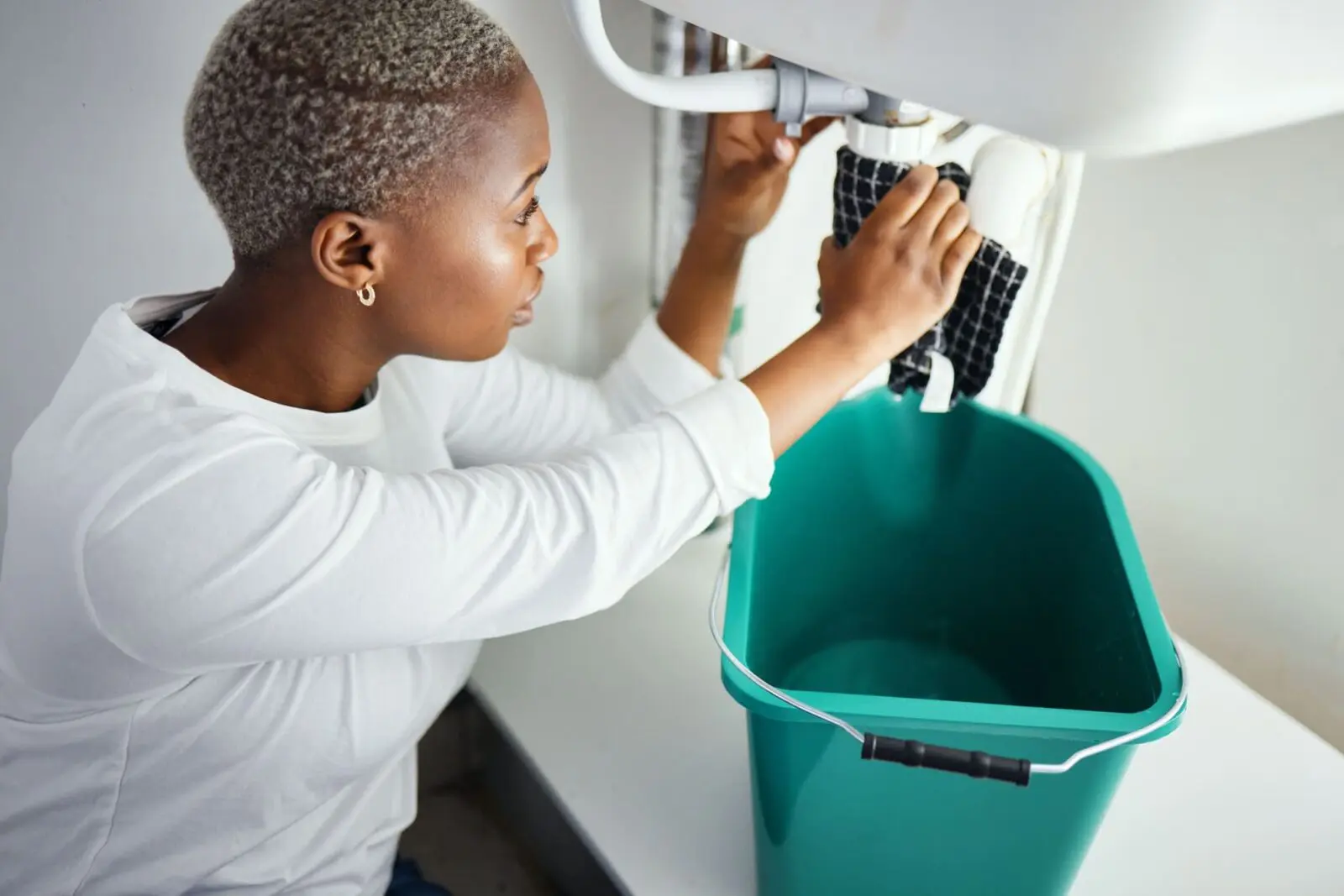
- Contain what you can with towels, buckets, and moving furniture or valuables away from the leak.
- Call and explain the issue clearly. Say what is leaking, where it is, whether the water is off, and whether electrics are involved.
Important: if you smell gas or a carbon monoxide alarm sounds, leave the property and call the national gas emergency number on 0800 111 999. Do not stay inside to investigate.
Problems That Usually Need Fast Action
Burst pipes
A burst pipe is one of the clearest plumbing emergencies. Even a split pipe that looks small can release a large amount of water very quickly. Floors, ceilings, plaster, and fitted units can all be affected within a short time.
If you cannot stop the water at the fixture, shut off the main supply and contact an emergency plumber in Sheffield.
Leaks coming through ceilings
Water staining on a ceiling is one thing. Active dripping or pooling overhead is another. Water can spread across joists and insulation before it becomes visible, which means the damage you can see is often only part of the problem.
This becomes more serious when lighting circuits or electrical fittings are nearby.
Overflowing toilets
If a toilet is overflowing and does not stop after the first flush, treat it as urgent. If you cannot isolate it or stop the water, it becomes an emergency. This is even more pressing if it is the only toilet in the home.
For toilet faults that are not full emergencies, see toilet repair in Sheffield.
Blocked drains with back-up indoors
A slow drain is not always an emergency. A drain that sends foul water back into the property is. That brings both damage and hygiene concerns.
If the issue is tied to drainage, drain cleaning may also be needed.
No hot water or heating in cold weather
Losing heating in winter is not just uncomfortable. It can put pipework and the building at risk. In some homes, especially with young children, older occupants, or vulnerable tenants, it can become urgent very quickly.
If the problem looks boiler-related, these guides may help:
- Is a leaking boiler an emergency?
- Why is my boiler leaking rusty water?
- Why your boiler’s pilot light keeps going out
- Why have I suddenly got no hot water?
Leaking boilers
A leaking boiler is not something to ignore. Water inside or beneath the casing can affect electrical parts and point to pressure or corrosion issues. It may be urgent even when the leak looks small.
Sewage smell or foul water inside
Where waste water or sewage enters the property, the issue moves beyond inconvenience. At that point you are dealing with sanitation as well as plumbing.
When a Blockage Can Wait Until Normal Hours
Not every blocked drain or toilet needs an out-of-hours call. There are cases where you may be able to wait until normal working hours without creating extra risk.
That is more likely when:
- The blockage is contained to one fixture
- There is no overflow or indoor back-up
- You have another usable toilet or sink
- You have stopped using the affected fixture
- There is no foul water escaping onto floors
- No electrics are at risk
Even then, waiting only makes sense if the situation is stable. If the water level changes, smells worsen, or another fixture starts backing up, the situation has moved on.
Signs the Issue Is Getting Worse
One of the easiest mistakes is judging the problem by how it looked ten minutes ago. A blocked drain or toilet can change quickly.
Watch for these signs:
- Water is draining slower than it was earlier
- Another sink, toilet, or shower starts showing the same symptoms
- The smell becomes stronger or more unpleasant
- The water level is rising instead of settling
- Dirty water appears around gullies, trays, or floor edges
- You can hear gurgling from nearby pipework or fixtures
Rule of thumb: once a blockage starts affecting more than one fixture, or once waste water is coming back into the property, it is no longer a job to keep testing. It is time to call.
How Property Type Changes the Risk
The same plumbing fault can have very different consequences depending on the building.
Flats and apartments
Leaks in flats often affect more than one home. Water travels down through ceilings, light fittings, and service gaps. What looks like a minor leak in one bathroom can become a major issue for the flat below.
Drainage blockages can also spread faster where more than one property feeds into shared pipework.
Terraced houses
Older terraced homes often have pipe runs hidden in difficult spaces. Leaks may spread behind walls or under floors before the source is obvious. Shared drainage routes can also make blockages more disruptive.
Semi-detached and detached homes
These homes may give you a little more time to contain damage, but larger floor areas can still mean wider spread before the issue is fully found and fixed.
Commercial properties
For businesses, plumbing emergencies often affect staff, customers, hygiene standards, and downtime. A blocked toilet or drain in a working business can quickly become a much bigger operational problem.
Landlords and Tenants
Emergency plumbing issues often turn into disputes because the problem was reported too late or not contained properly.
Landlords usually need to act quickly where there is:
- Loss of hot water or heating
- Major leaking pipework
- Unsafe drainage or sanitation issues
- Water damage affecting the structure or another occupier
- No usable toilet in the property
Tenants should usually:
- Report the problem straight away
- Turn off water if safe
- Take simple steps to limit damage
- Stop using blocked fixtures
- Give access for urgent inspection or repair
Fast reporting helps everyone. It limits damage, helps with records, and often reduces the cost of repair.
Why These Issues Happen in Sheffield Homes
Some plumbing emergencies are random. Others are tied to the kind of homes and weather conditions found across Sheffield and nearby areas.
Older pipework
Many properties still have older joints, older repairs, or mixed pipe materials. Those weak points tend to show up during pressure changes or colder weather.
Cold snaps in winter
Frozen pipes, boiler lockouts, and pressure changes after thawing all raise the chance of emergency call-outs.
Converted layouts
Loft conversions, extensions, and altered plumbing routes can make leaks harder to trace and isolate.
Shared drainage in some streets and buildings
That can turn a local blockage into a wider issue faster than people expect.
What an Emergency Plumber Will Do First
The first aim of an emergency visit is not a perfect finish. It is control. The job is to make the situation safe, stop damage spreading, and decide what repair is needed next.
That often means:
- Finding the source of the leak, overflow, or failure
- Stopping the water or isolating the affected section
- Checking whether electrics or other safety risks are involved
- Checking whether the blockage is local or part of a wider drainage issue
- Carrying out a first repair where possible
- Explaining what has been fixed and what may still need follow-up work
Gas and boiler reminder: if the problem involves gas appliances, the person working on them should be Gas Safe registered.
What Happens If You Wait Until Morning?
Sometimes waiting is sensible. Sometimes it is what turns a manageable repair into a larger job.
Delays can lead to:
- Water spreading into hidden areas
- Ceilings sagging or plaster damage
- Mould and damp problems later
- Drain back-up becoming worse with further use
- Toilet overflow instead of a contained blockage
- Larger boiler or heating faults after an early warning sign was ignored
That does not mean every leak or blockage needs an out-of-hours visit. It does mean you should judge the risk by what could happen next, not by whether the first sign looks dramatic.
How to Decide Quickly
Ask yourself these four questions:
- Can I fully stop the problem or only slow it down?
- Is water, waste, or heat loss still active?
- Could this affect electrics, hygiene, or another room or property?
- Will this likely be worse in a few hours than it is now?
If the answer points to active risk, it is time to call.
When This Guide Stops Being a Guide and Becomes a Call-Out
This page is here to help you judge the situation. Once the problem involves active leaking, sewage back-up, water near electrics, or loss of heating or water that cannot be safely managed, it stops being a reading job and becomes a call-out.
The same applies to blocked drains and toilets once dirty water is backing up, the blockage is spreading, or the property no longer has usable facilities.
If that is where you are now, contact our emergency plumber service.
Emergency Plumbing Costs in Sheffield
People often hesitate because they are worried about the cost of calling. In many cases, the damage caused by waiting ends up costing more than the visit itself.
Costs depend on timing, access, parts, and what has failed. As a general guide only, emergency plumbing work can vary based on:
- Whether the call is during normal hours or out of hours
- How easy the fault is to reach
- Whether parts are needed straight away
- Whether the issue is a leak, blockage, toilet fault, or boiler-related problem
- Whether drainage work is local to one fixture or part of a wider blockage
Guide only: any price range is only a rough guide, not a quote. The actual cost depends on the job in front of you.
Areas Heat365 Covers
Heat365 is based in Sheffield and covers the city and nearby areas for urgent plumbing work.
If you are not sure whether your area is covered, check the areas we cover page or call 07534 793949 for a quick answer.
How to Reduce the Risk of Future Emergencies
You cannot prevent every plumbing fault, but you can lower the chances of the most common emergency call-outs.
- Know where your stop tap is
- Fix small leaks before they turn into bigger ones
- Do not ignore repeated pressure drops or heating faults
- Protect exposed pipes in cold areas
- Act on slow drains before they start backing up
- Get boiler issues checked before winter where possible
These guides may help you spot trouble earlier:
- Blocked drain warning signs
- Spring plumbing checks in Sheffield
- How to prevent frozen pipes in winter
- Common plumbing faults in Sheffield homes
- Top plumbing emergencies and what to do next
Emergency Plumbing FAQs
What counts as a plumbing emergency?
A plumbing emergency is any fault where delay risks flooding, contamination, water near electrics, loss of sanitation, or loss of heating or hot water that cannot safely wait.
Is a blocked drain an emergency?
It can be. A blocked drain becomes an emergency when waste water is backing up into the property, overflow has started, or the blockage is affecting more than one fixture and cannot be safely contained.
Is a blocked toilet classed as an emergency?
Yes, if it is overflowing, backing up, cannot be isolated, or it is the only toilet in the property. If the blockage is stable and another toilet is available, it may be urgent rather than a full emergency.
How do I know if a plumbing problem can wait until morning?
If you can fully isolate the issue, stop further leaking or overflow, and there is no risk to electrics, sanitation, or heating in cold weather, it may be able to wait. If you cannot safely contain it, treat it as an emergency.
When should I call an emergency plumber?
Call an emergency plumber when you cannot stop an active leak, when drains or toilets are backing up indoors, when water is near electrics, or when the property has no usable sanitation, heating, or hot water in unsafe conditions.
How fast can an emergency plumber attend in Sheffield?
That depends on your location and current demand. When you call, you should be given a realistic attendance window and advice on what to do in the meantime.
Is a leaking boiler an emergency?
It can be. If water is leaking from the casing, pressure is dropping quickly, or water is near electrics, treat it as urgent and often an emergency. See this guide.
What should I do if water is near electrics?
Do not touch wet switches or fittings. If safe, turn power off at the consumer unit, keep clear of the area, and call for help.
Do you deal with blocked drains and sewage back-up?
Yes, urgent drainage issues can need fast attention, especially where waste water is backing up inside the property. See drain cleaning and unclogging.
Should I turn off the stop tap for a leak?
Yes, if water is escaping and you cannot stop it locally. Turning off the water is often the first step to limiting damage.
Do I need a Gas Safe engineer for boiler and gas work?
Yes. Gas appliance work should be carried out by a Gas Safe registered engineer. If you smell gas, leave and call 0800 111 999.
Can delaying a leak or blockage affect an insurance claim?
Policies vary, but many expect reasonable steps to reduce damage. Acting quickly, isolating the problem where safe, and documenting what you did can help.
Need urgent plumbing help now?
If the issue cannot safely wait, call Heat365 now or go to our emergency plumber service page. If the problem is drain-related but still contained, you can also look at our drain cleaning service.
Related reading: Is a Blocked Drain an Emergency? How to Know When to Call Right Away.