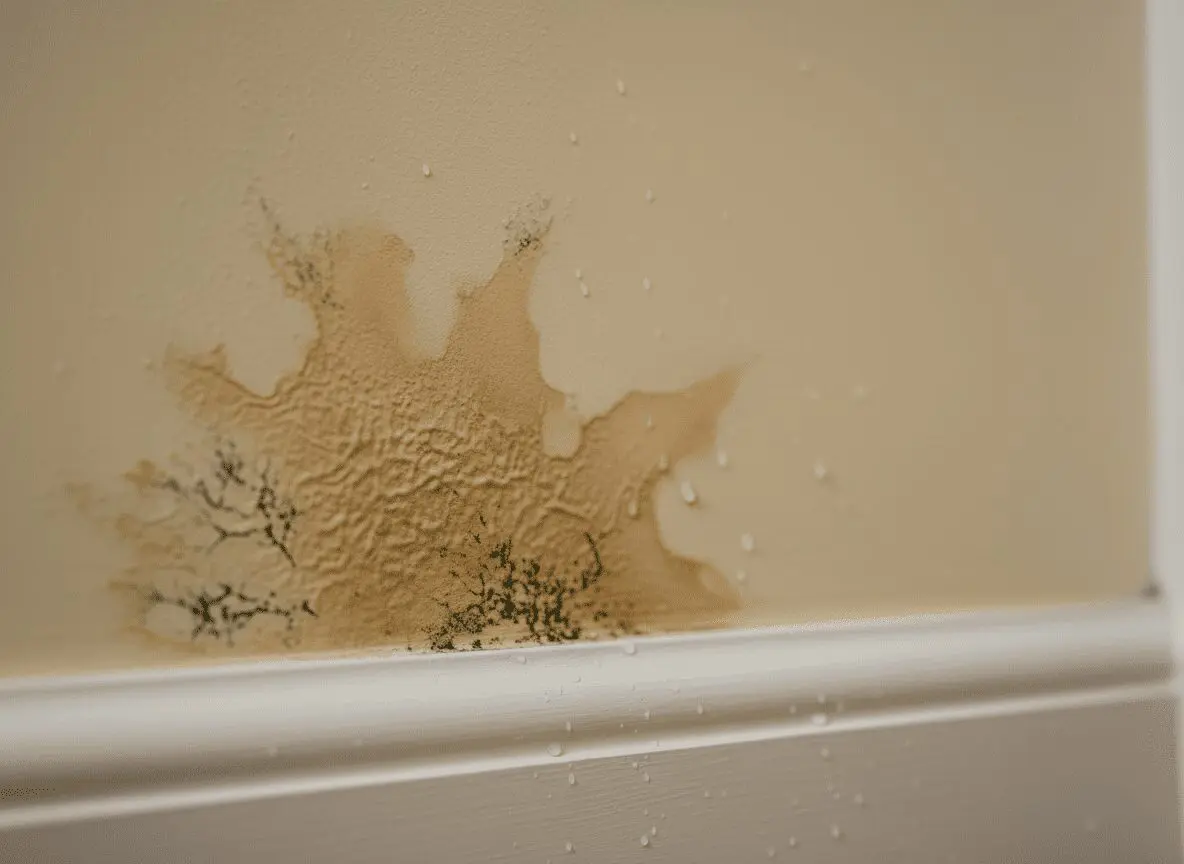
A hidden water leak can cause thousands of pounds worth of damage before you even know it’s there. Unlike a burst pipe or an overflowing toilet, many leaks are invisible — concealed behind walls, under floors, or beneath slab foundations — dripping quietly while water bills climb and structural damage accumulates.
At Heat365, we carry out professional leak detection across Sheffield, Rotherham, Chesterfield, and surrounding areas every week. This guide covers the 10 most reliable warning signs that you may have a hidden water leak — and what to do next.
Why Hidden Water Leaks Are So Damaging
Water is patient. A slow hidden leak — even one dripping at just one litre per hour — adds up to over 8,700 litres per year. At current water rates, that represents a significant and unnecessary expense. More seriously, persistent moisture creates ideal conditions for mould growth, timber rot, concrete spalling, and in serious cases, structural subsidence.
The earlier a hidden leak is detected, the lower the repair costs. Modern professional leak detection uses acoustic sensors and thermal imaging cameras to pinpoint leaks without unnecessary excavation or damage to your property.
10 Warning Signs of a Hidden Water Leak
1. Your Water Bill Has Increased Unexpectedly
The most common first sign of a hidden leak is a spike in your water bill without any obvious change in usage. If your bill has risen by 20% or more — and you haven’t changed your habits — a hidden leak is one of the first things to investigate. This is particularly clear if you’re on a water meter, as metered properties show usage changes immediately.
2. You Can Hear Running Water When Nothing Is On
If you can hear the sound of water moving through pipes when all taps, appliances, and toilets are switched off, that’s a strong indicator of a pressurised leak somewhere in the system. This is especially common with mains supply pipes running under floors or through walls in Sheffield’s older housing stock.
3. Damp Patches on Walls or Ceilings
Watermarks, discolouration, or bubbling paint on walls and ceilings are classic hidden leak symptoms. Ground floor ceilings showing damp often indicate a leak in the bathroom above. A damp patch on a ground floor wall may point to a pipe concealed in the masonry or a leak from an external supply pipe.
4. Mould or Mildew in Unexpected Places
Mould thrives in persistent moisture. If you’re seeing mould growing on walls away from bathrooms — or in areas without obvious ventilation problems — a hidden water source is often the cause. Mould behind kitchen units, under sink cabinets, or inside fitted wardrobes is particularly suspicious and warrants investigation.
5. Soft or Warped Flooring
Unexplained soft spots in timber floorboards, warping laminate, or lifting floor tiles can all point to sustained water exposure beneath the surface. This is a sign that a leak has been running long enough to saturate the subfloor — which typically means structural damage has already begun.
6. Drop in Water Pressure
A sudden or gradual reduction in water pressure — particularly at taps furthest from the mains supply — can indicate a pressurised leak losing water from the supply pipe. This is especially common in Sheffield’s older Victorian and Edwardian terraces, where original lead supply pipes may be corroding and developing pinhole leaks.
7. Cracks Appearing in Walls or Floors
Persistent moisture from a hidden leak can cause soil beneath foundations to shift, leading to cracks in internal walls or floors. This is most commonly associated with external ground-level supply pipe leaks or drainage leaks, and warrants urgent professional investigation if spotted.
8. Your Garden Has an Unusually Lush or Wet Patch
If a particular area of your garden or driveway is persistently wetter, greener, or growing faster than surrounding areas — especially during dry weather — you may have a buried supply pipe or drain leaking underneath. This is a common presentation for external supply pipe leaks in Sheffield properties and is easy to overlook as a gardening issue rather than a plumbing one.
9. Musty Smells in Enclosed Spaces
A persistent musty or earthy smell — particularly in understairs cupboards, under kitchen sinks, in loft spaces, or in bathrooms — often indicates water accumulating in a hidden space. Don’t dismiss ongoing smells, even if you can’t see any obvious water. Smell often precedes visible damage by weeks or months.
10. Your Water Meter Doesn’t Stop Moving
Here’s a simple home test: turn off every tap and appliance that uses water in your property. Go to your water meter and watch the dial or digital display for 15 minutes. If it continues to move — even slowly — water is flowing somewhere it shouldn’t be. This is one of the most reliable DIY indicators of a pressurised supply pipe leak.
Turn off every tap and appliance in your home. Check your water meter. If the dial or display moves, you have a leak. Call Heat365 on 07534 793949 for professional leak detection across Sheffield and surrounding areas.
What to Do If You Suspect a Hidden Water Leak
If you’ve noticed two or more of the signs above, don’t delay. Here are the steps to take immediately:
- Perform the water meter check — confirm water is moving when everything is switched off
- Locate your stopcock — usually under the kitchen sink — so you can isolate the supply quickly if needed
- Document what you’re seeing — photograph damp patches, cracks, mould, or wet areas
- Contact a professional leak detection engineer — don’t start opening walls or lifting floors yourself
Modern professional leak detection uses non-invasive methods including acoustic listening equipment, thermal imaging cameras, and pressure testing to locate leaks before recommending any excavation or plasterwork. At Heat365, our engineers aim to pinpoint the source of a leak with minimum disruption to your property.
Types of Hidden Leaks Heat365 Detects in Sheffield
Supply Pipe Leaks
Mains supply pipes run from the boundary of your property to the internal stopcock, often buried underground. In Sheffield’s older housing stock, many supply pipes are still lead or early copper, and pinhole corrosion leaks are common. These require specialist acoustic detection equipment to locate under driveways, paths, and gardens without unnecessary excavation.
Central Heating System Leaks
Leaks in central heating pipework — particularly at joints, radiator valves, or corroded sections within wall cavities — can saturate floor voids without producing obvious standing water. If your boiler is regularly losing pressure and needs topping up, a heating system leak is one of the most likely causes.
Waste and Drainage Pipe Leaks
Waste pipe joints that have dried out or failed — common under sink cabinets in kitchens and bathrooms — can release small but constant amounts of water into under-floor or under-unit spaces. These are often slow to show external signs but can cause significant timber damage over months.
Shower Tray and Bath Seal Failures
Cracked or failed silicone seals around shower trays and baths allow water to penetrate the subfloor with every use. The first signs are often discolouration or mould at the base of the wall, or a soft spot in the floor just outside the shower enclosure. Resealing alone rarely fixes the problem once water has penetrated the subfloor.
How Much Does Leak Detection Cost in Sheffield?
Professional leak detection in Sheffield typically costs £150–£400 depending on the complexity of the investigation and the access required. This is a fraction of the cost of the structural damage a prolonged hidden leak can cause. In many cases, home insurance will cover leak detection costs as part of an escape of water claim — it’s worth checking your policy before booking.
If the leak is confirmed to be on the supply pipe between the boundary and your internal stopcock, the repair is the homeowner’s responsibility. Yorkshire Water is responsible for the pipe up to the property boundary. Our engineers will confirm exactly where the leak originates and advise accordingly.
Frequently Asked Questions
Can a hidden water leak cause damp even if I can’t see water?
Yes. Many hidden leaks never produce visible standing water — they simply saturate building materials over time, leading to damp patches, mould, and eventual structural damage before any pooling becomes visible.
Is it my responsibility or the water company’s to fix a supply pipe leak?
In England, the homeowner is responsible for the supply pipe from the property boundary to the internal stopcock. Yorkshire Water is responsible for the pipe from the main to the boundary. This means most supply pipe leaks under gardens and driveways are the homeowner’s responsibility.
How quickly can Heat365 respond to a suspected leak?
We offer 24/7 emergency plumbing response across Sheffield and surrounding areas. For leak detection investigations, we typically attend within 24–48 hours. For confirmed emergency situations — such as active flooding or a major pipe burst — we respond around the clock.
Will I need to dig up my floor to fix a hidden leak?
Not necessarily. Modern acoustic and thermal detection often allows our engineers to pinpoint a leak to within a very small area — sometimes as precise as 30–50cm — which dramatically reduces the excavation required. In some cases, leaks can be isolated and rerouted without opening floors at all.
Don’t wait. The longer a hidden leak runs, the more damage it causes. Call Heat365 on 07534 793949 (available 24/7) or email info@heat365.co.uk. We cover Sheffield, Rotherham, Chesterfield, Barnsley, Doncaster, and Worksop.