As winter comes to an end, homeowners across the country brace themselves for the onslaught of the last frost and the potential problems it can bring. One of these issues is frozen pipes. A common question that many homeowners ask is, “Will frozen pipes thaw on their own?” This blog post will explore this question in detail and provide some practical advice on how to handle frozen pipes.
Understanding Frozen Pipes
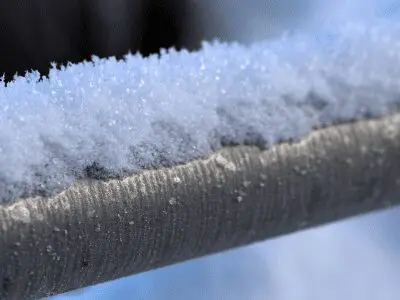
Before we delve into whether or not frozen pipes will thaw on their own, it’s essential to understand why pipes freeze in the first place. Water has a unique property in that it expands as it freezes. This expansion puts tremendous pressure on whatever is containing it, including metal or plastic pipes. No matter the strength of a pipe, expanding water can cause it to break.
Pipes that are exposed to severe cold, like outdoor hose bibs, swimming pool supply lines, and water sprinkler lines are more likely to freeze. Also, pipes running along exterior walls with little or no insulation are susceptible to freezing.
So, Will Frozen Pipes Thaw on Their Own?
In theory, yes. Given enough time and a sufficient increase in temperature, frozen pipes will eventually thaw out by themselves. However, this is not something you should count on or wait for because of two main reasons:
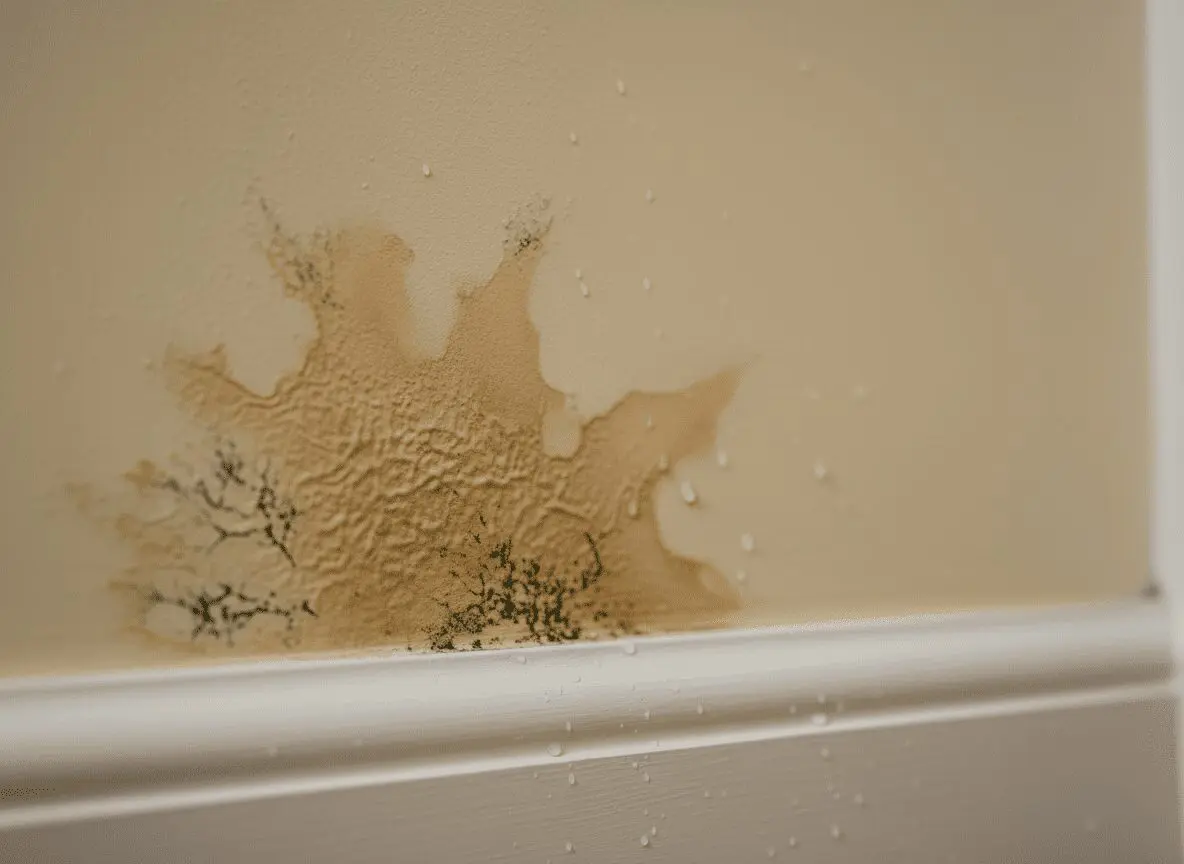
1) Potential for Bursting: The biggest problem with letting frozen pipes thaw on their own is the risk of them bursting due to increased pressure from the expanding ice inside them. A burst pipe can cause significant water damage to your home and belongings.
2) Time: Depending on how severe the freeze is and how cold the weather remains, it could take days or even weeks for your pipes to naturally thaw out. During this time you’ll be without running water.
How To Safely Thaw Frozen Pipes
If you discover that you have a frozen pipe in your home, there are several steps you can take to safely thaw it out:
1) Open the Faucet: First, open the faucet that the pipe feeds water to. This will relieve pressure in the system and allow water to escape once it starts to thaw.
2) Apply Heat: Use a heating pad, hairdryer, or portable space heater to warm up the area around the pipe. Never use an open flame as this can damage the pipe and create a fire hazard.
3) Call a Professional: If you can’t easily access the frozen pipe, or if your attempts to thaw it are unsuccessful, call a professional plumber. They have specialised tools and experience in dealing with these situations.
Preventing Frozen Pipes
The best way to deal with frozen pipes is to prevent them from freezing in the first place. Here are some tips:
1) Insulate Pipes: Any pipes that are exposed to cold air (like those in basements or garages) should be insulated. You can buy foam rubber or fiberglass sleeves from home improvement stores that easily fit over most pipes.
2) Keep Your Home Warm: Even if you’re away for an extended period, make sure your home’s temperature never drops below 55 degrees Fahrenheit.
3) Let Faucets Drip: If you’re expecting particularly cold weather, let your faucets drip slightly. Running water through the pipe – even at a trickle – can help prevent pipes from freezing.
Conclusion
While frozen pipes may technically be able to thaw on their own, it’s not something homeowners should rely on due to potential damage and inconvenience. Instead, take steps to safely thaw out frozen pipes as soon as they’re discovered and implement preventative measures to keep them from freezing again. If you’re unsure about any part of this process or encounter difficulties along the way, don’t hesitate to call a professional plumber for help.