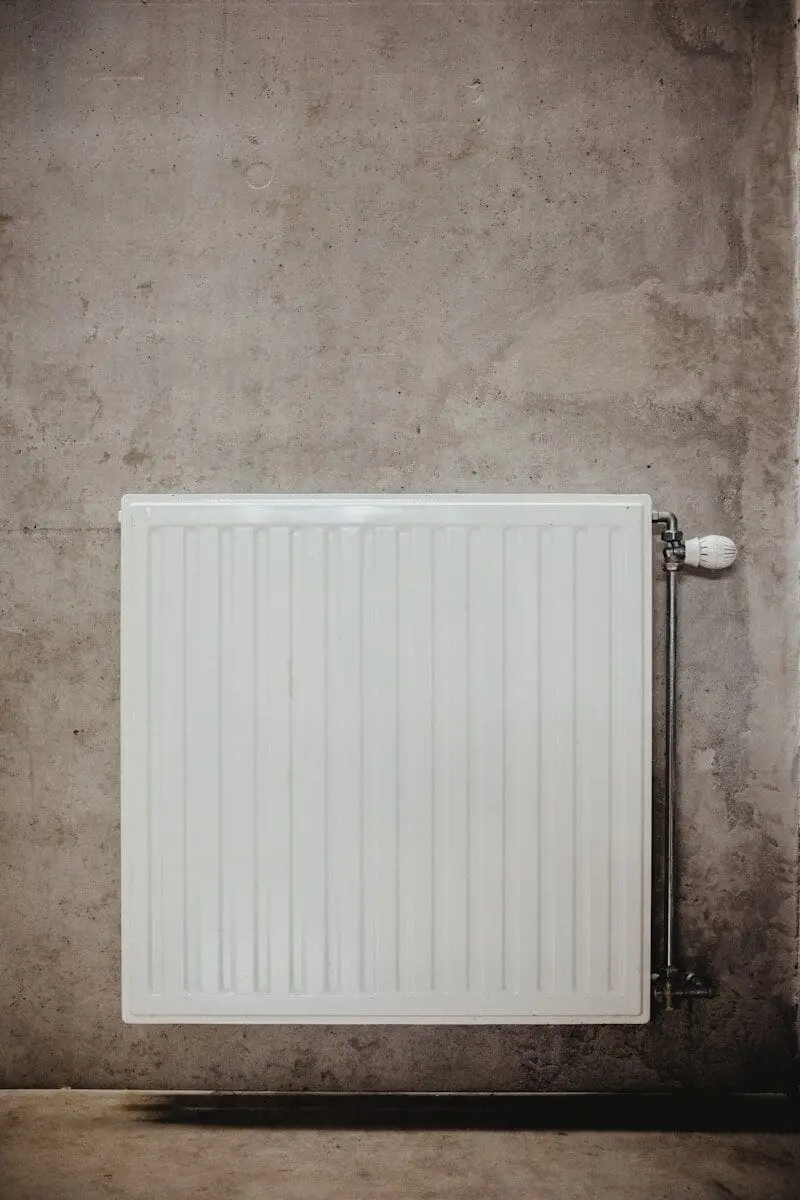
If your radiators are hot at the top but cold at the bottom, your heating system is trying to tell you something.
This is one of the most common heating problems in UK homes and it usually points to sludge build-up inside the radiator.
Understanding why it happens helps you fix the issue before heating efficiency drops or your boiler begins working harder than it should.
What it means when a radiator is cold at the bottom
Radiators work by circulating hot water through internal channels.
The entire radiator should warm evenly from top to bottom.
When the bottom of the radiator stays cold, it usually means something is blocking the flow of hot water inside the radiator.
The most common reason is sludge buildup.
This sludge collects in the lowest part of the radiator where gravity causes particles to settle.
The most common cause: sludge build-up
Heating sludge is made from rust, limescale, and debris that forms inside the heating system over time.
As water circulates through the system, these particles gradually accumulate at the bottom of radiators.
When enough sludge builds up, it blocks hot water circulation and prevents the radiator from heating evenly.
Typical signs of radiator sludge
- Radiator hot at the top but cold at the bottom
- Heating takes longer to warm the room
- Boiler runs for longer periods
- Radiators make knocking or gurgling sounds
If several radiators show this symptom, the entire system may contain sludge deposits.
How radiator sludge forms inside heating systems
Most heating systems contain steel components such as radiators and pipework.
When water and oxygen interact with metal surfaces, corrosion begins slowly over time.
Tiny rust particles break away and circulate through the heating system.
These particles mix with other contaminants like scale or installation debris and eventually settle inside radiators.
Older heating systems are particularly vulnerable to sludge because they may have operated for many years without proper system cleaning.
If your heating system is older, periodic servicing can help identify issues early.
You can learn more about routine maintenance with our boiler servicing in Sheffield.
Other causes of cold spots in radiators
While sludge is the most common cause, other issues can produce similar symptoms.
Air trapped in the radiator
Air pockets prevent hot water from circulating fully.
However, trapped air normally causes the top of the radiator to stay cold rather than the bottom.
Circulation problems
If your heating pump or pipework struggles to circulate water effectively, radiators may not heat evenly.
Incorrect radiator balancing
Radiators must be balanced so hot water flows evenly around the system.
If valves are set incorrectly, some radiators may receive less flow than others.
If you notice uneven heating throughout the home, a professional radiator service can check system balance and circulation.
How to fix a radiator that is cold at the bottom
The solution depends on the severity of the sludge buildup.
Step 1: Bleed the radiator
Bleeding removes trapped air from the radiator.
While it will not remove sludge, it can improve circulation if air pockets are present.
Step 2: Check system pressure
Low pressure can affect circulation.
If your system pressure is low, topping it up may restore normal heating performance.
Step 3: Radiator flushing
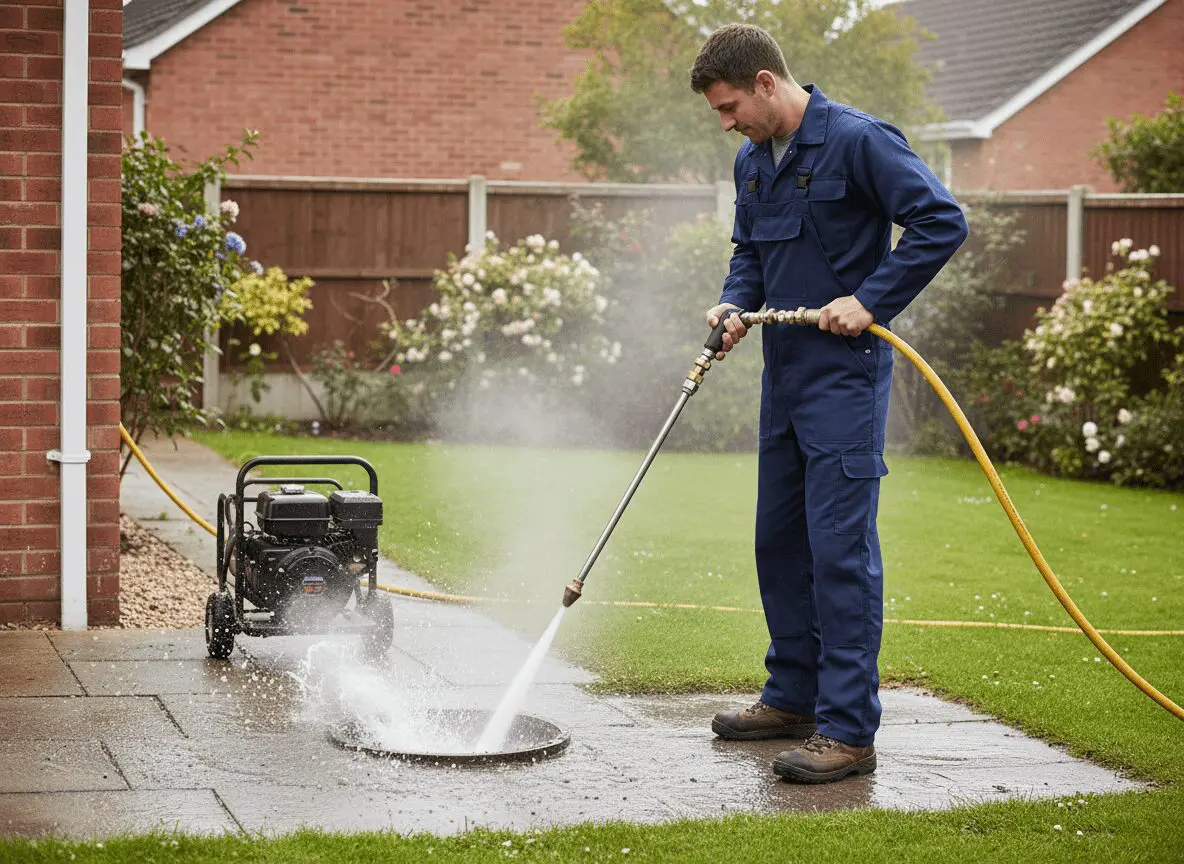
If sludge is confirmed, flushing the radiator can remove accumulated debris.
In severe cases, the entire heating system may require a professional power flush to remove contamination.
How to prevent sludge returning
Once sludge forms, prevention becomes important to keep your heating system working efficiently.
Install a magnetic filter
Magnetic filters capture metallic debris before it circulates through the system.
Add inhibitor chemicals
Heating inhibitors protect metal components from corrosion and slow sludge formation.
Schedule regular servicing
Routine servicing checks the health of the entire heating system and helps identify problems early.
If your heating system shows signs of poor circulation, a qualified plumber in Sheffield can diagnose the issue and recommend the right fix.
When to call a professional
Some heating problems require specialist tools and system knowledge.
You should contact a professional if:
- Several radiators are cold at the bottom
- Heating performance continues to worsen
- Your boiler runs constantly but rooms stay cold
- You suspect sludge in the entire system
Professional cleaning or system balancing restores heating performance and protects your boiler from unnecessary strain.
FAQs
Why is my radiator cold at the bottom but hot at the top?
This usually indicates sludge buildup inside the radiator, preventing hot water from circulating properly.
Can bleeding a radiator fix cold spots?
Bleeding removes trapped air but does not remove sludge. It may improve heating slightly if air pockets exist.
What causes sludge in radiators?
Sludge forms from corrosion particles, limescale, and debris circulating through the heating system.
Is radiator sludge dangerous for boilers?
Yes. Sludge restricts circulation and forces the boiler to work harder, which can shorten its lifespan.
How do professionals remove radiator sludge?
Heating engineers typically remove sludge using radiator flushing or full system power flushing.