Many homeowners worry about whether it’s safe – or sensible – to leave the boiler running all the time. With energy prices where they are, nobody wants to waste gas, but constantly turning the boiler on and off can cause its own problems. This guide explains when it’s safe to leave your boiler on continuously, when you should switch it off, and how to set things up for comfort and efficiency.
Is it safe to leave a modern boiler on all the time?
For most modern gas boilers that are correctly installed and regularly serviced, it is generally safe to leave the boiler powered on continuously. The boiler will only fire when:
- Your room thermostat or smart controls call for heat
- Your hot water demand triggers the system (for combi boilers)
- Frost protection or anti‑seize programs run briefly to protect components
The key is that “on” doesn’t mean the boiler is burning gas 24/7. It simply means the appliance is ready to respond when needed. Regular servicing – as outlined on the Boiler Servicing Sheffield page – is essential to keep it operating safely.
When you should NOT leave your boiler on
There are situations where leaving the boiler on is not recommended and could be unsafe:
- You can smell gas or suspect a leak
- Your carbon monoxide alarm is sounding or frequently going off
- The boiler is making loud banging or clunking noises
- You can see scorch marks, burning smells or signs of overheating
- The boiler is leaking heavily or repeatedly losing pressure
In any of these cases, turn the boiler off and seek professional help. If you suspect a gas leak, follow national safety advice first, then arrange urgent support via the Emergency Plumber page. For leaks and pressure issues, your detailed guides on leaking boilers and rusty water can help you understand what’s going on.
Should you turn your boiler off at night?
For most homes, there’s no need to completely shut the boiler down overnight. Instead, it’s usually more efficient to:
- Set your room thermostat to a lower night‑time temperature
- Use programmer or smart controls to reduce heating when you’re asleep
- Allow the boiler to fire only if the house temperature drops below your chosen minimum
Turning the boiler off entirely can let the house get very cold, meaning the system has to work harder – and sometimes less efficiently – to bring temperatures back up in the morning. Well‑insulated homes may cope better with deeper night‑time setbacks, while draughty properties often benefit from a gentler, more consistent background heat.
What about when you go on holiday?
When you’re away for several days or longer, you can safely reduce boiler use without risking frozen pipes or damp problems. Good practice includes:
- Setting the heating to a low “holiday” temperature (around 10–12°C is common)
- Leaving the boiler powered so frost protection and safety features still work
- Turning off the hot water schedule if you have a system or regular boiler with a cylinder
If your property is prone to leaks or you’ve had previous issues, you may also want to read the advice on the Leak Detection & Repair page before you travel.
Does leaving the boiler on continuously use more gas?
This is where things get confusing. The boiler being “on” at the switch doesn’t necessarily mean it’s firing constantly. Gas use depends more on:
- Your thermostat settings and how warm you keep the house
- The insulation and draught‑proofing of your property
- How often you use hot water (for combi boilers)
- The efficiency rating and age of your boiler
A modern, efficient boiler with well‑set controls can run in short, controlled bursts to maintain comfort. An older, inefficient boiler may burn more gas no matter how you use it. If your boiler is very old and costly to run, it may be worth comparing running costs with the price of an upgrade on the Boiler Installation Sheffield page.
Best practice: using timers, thermostats and smart controls
Rather than constantly switching the boiler on and off at the mains, focus on using your controls effectively:
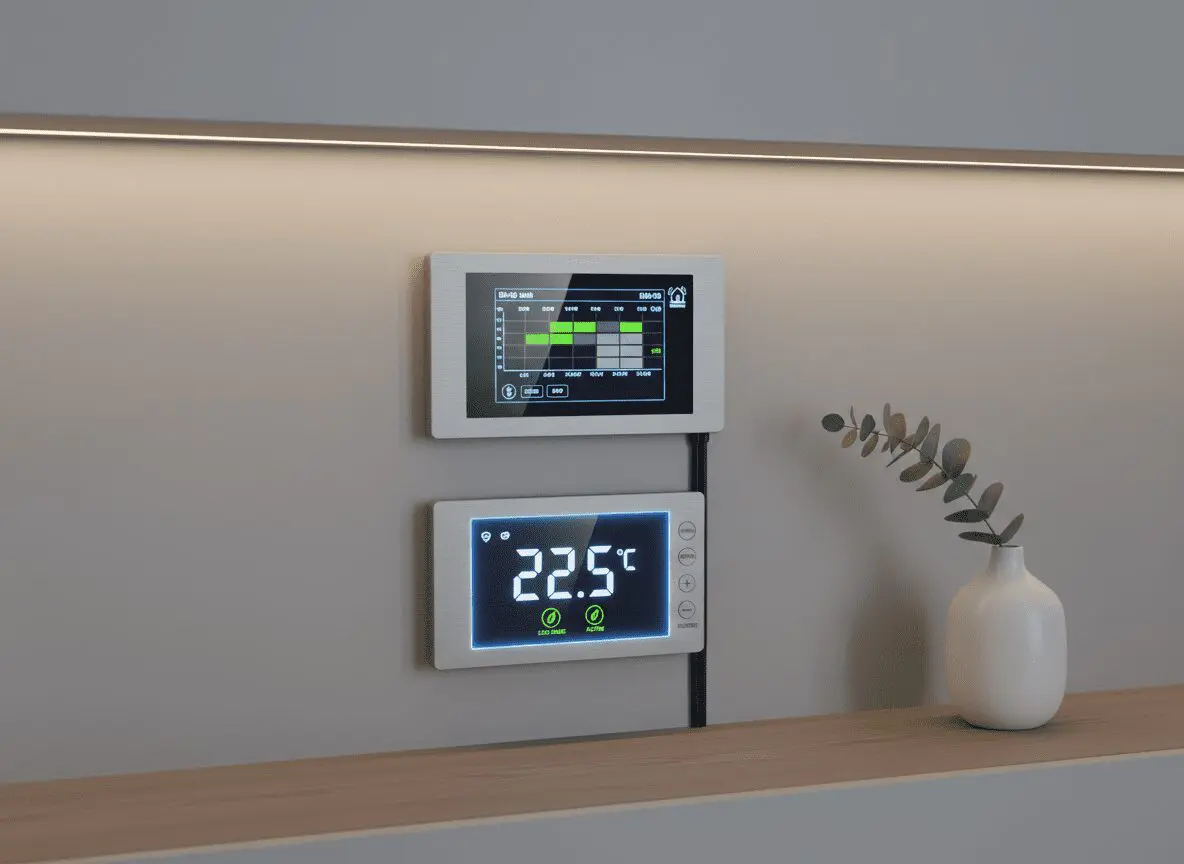
- Room thermostat: set a comfortable daytime temperature (often 18–21°C) and avoid frequent large adjustments.
- Programmer: schedule heating to come on shortly before you wake up or return home, and reduce at night or when you’re out.
- Smart thermostat: use features like geofencing, weather compensation and learning schedules to fine‑tune energy use.
- Thermostatic radiator valves (TRVs): lower settings in rarely used rooms to avoid heating empty spaces.
If you’re planning wider home improvements, it can be efficient to upgrade controls at the same time as other work. The Kitchen Renovation and Bathroom Renovation Sheffield pages are useful if you’re modernising your home and want your heating system to match.
Signs your boiler isn’t happy running continuously
Even if it’s technically safe, your boiler may be struggling if you notice:
- Frequent need to reset the boiler
- Regular pressure drops or top‑ups
- Unusual noises when the boiler fires or shuts down
- Radiators that never seem to get fully hot
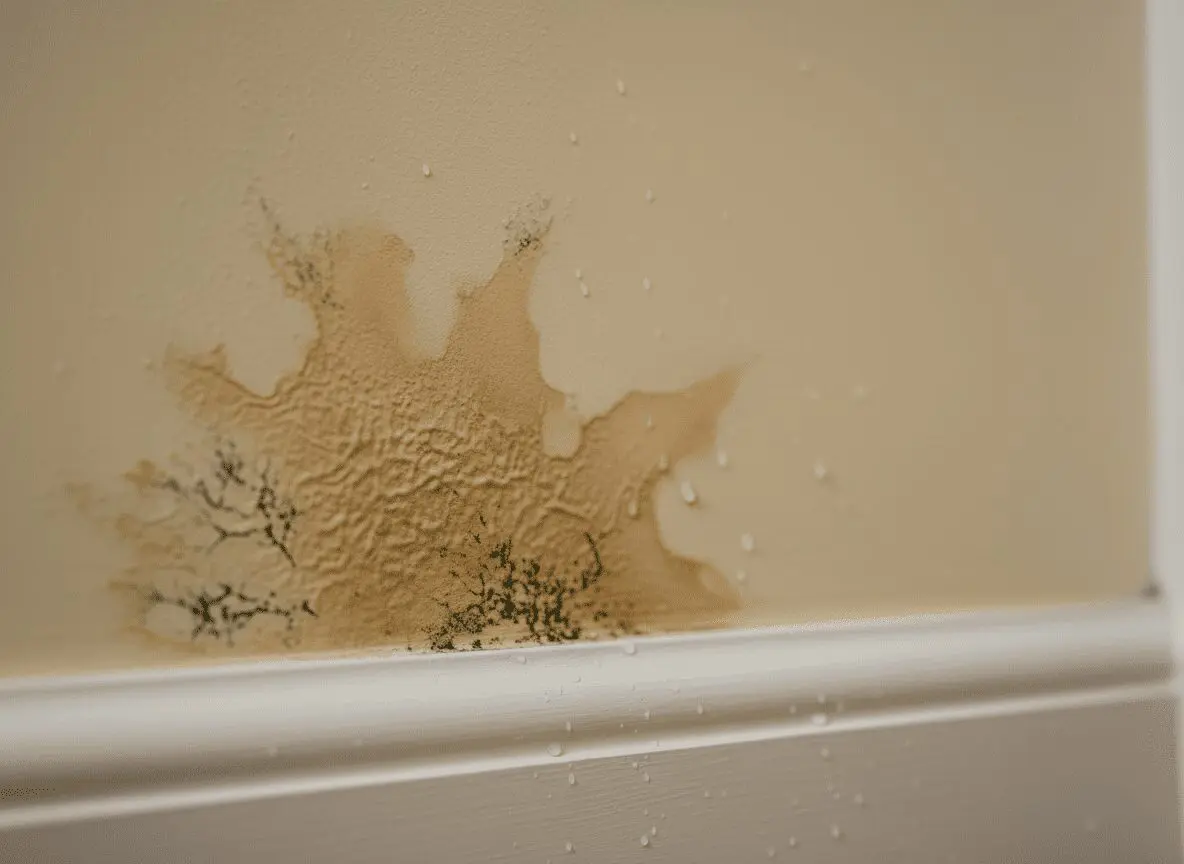
- Visible leaks or staining around the boiler or pipework
These are signs that components may be wearing out or the system needs cleaning and balancing. Booking a full service via the Boiler Servicing Sheffield page is the best way to get ahead of problems before they turn into an emergency call‑out.
How leaving the boiler on affects system components
Modern boilers are designed to cycle on and off as needed. However, constant manual switching at the mains can be harder on certain parts than leaving the boiler in standby and letting controls manage demand. Potential issues include:
- Increased wear on ignition and control electronics from repeated power cuts
- Higher risk of sticking pumps or valves if the system sits unused for long periods
- Condensate traps and pipes drying out, which can affect safe operation
Most boilers include built‑in routines that occasionally run pumps or valves to prevent seizing – another reason why leaving the boiler powered is often better than turning it completely off for months at a time.
When to ask an expert
If you’re still unsure what’s best for your particular boiler and property:
- Check your boiler’s user manual for specific advice on continuous operation
- Ask your engineer during your next service visit
- Describe any concerns – such as leaks, noises or frequent resets – so they can investigate properly
For persistent faults or older boilers that worry you, it may be worth exploring repair vs replacement options. Your existing articles on sudden loss of hot water and pilot light problems are a good starting point for understanding what might be going wrong.
Key takeaways: leaving your boiler on continuously
- It’s usually safe to leave a modern, well‑maintained boiler powered on continuously.
- Use thermostats and timers to control when the boiler actually fires, rather than switching it off at the mains.
- Turn the boiler off and seek help immediately if you notice gas smells, alarms, heavy leaks or burning odours.
- Annual servicing via Boiler Servicing Sheffield is the best way to keep continuous operation safe and efficient.
If you’re thinking about upgrading to a more efficient boiler that’s cheaper to run, take a look at the options on the Boiler Installation Sheffield page, where you can also request a tailored quote for your home.