Underfloor Heating Running Costs: What Sheffield Homeowners Actually Pay
Underfloor heating is one of the most appealing upgrades you can make to a Sheffield home. Warm floors, no radiators taking up wall space, and even heat from ground level — it sounds ideal. But one of the first questions most homeowners ask is: how much will it cost to run?
The answer depends on a few key factors: the type of system you have, the size of your home, your insulation levels, and how often you use it. This guide breaks down the real running costs of underfloor heating in Sheffield, compares it to traditional radiators, and shares practical tips to keep your bills manageable.
How Underfloor Heating Works
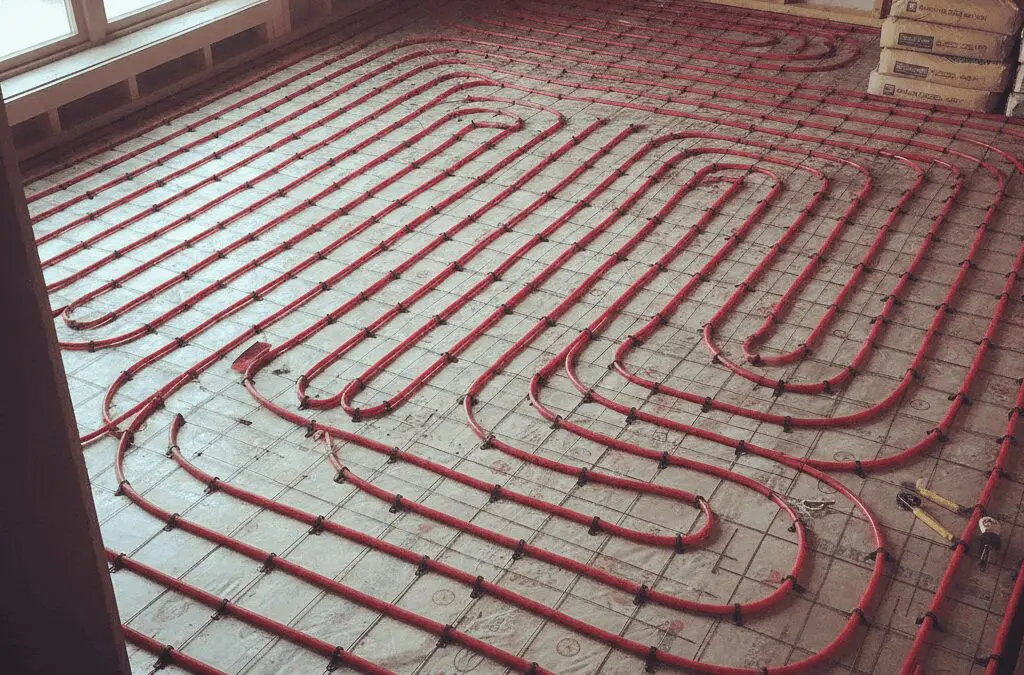
There are two main types of underfloor heating. Wet (hydronic) systems use warm water pumped through pipes laid beneath the floor and are connected to your boiler or heat pump. Electric systems use resistive heating cables or mats and run directly off your electricity supply.
The type of system you have has a significant impact on running costs. Wet systems typically cost less per hour to run because they use hot water at lower temperatures than traditional radiators — usually between 35°C and 45°C rather than 60°C to 70°C. Electric systems cost more per unit but have lower installation costs, which is why they are often used in single rooms like bathrooms or kitchens.
Electric Underfloor Heating Running Costs
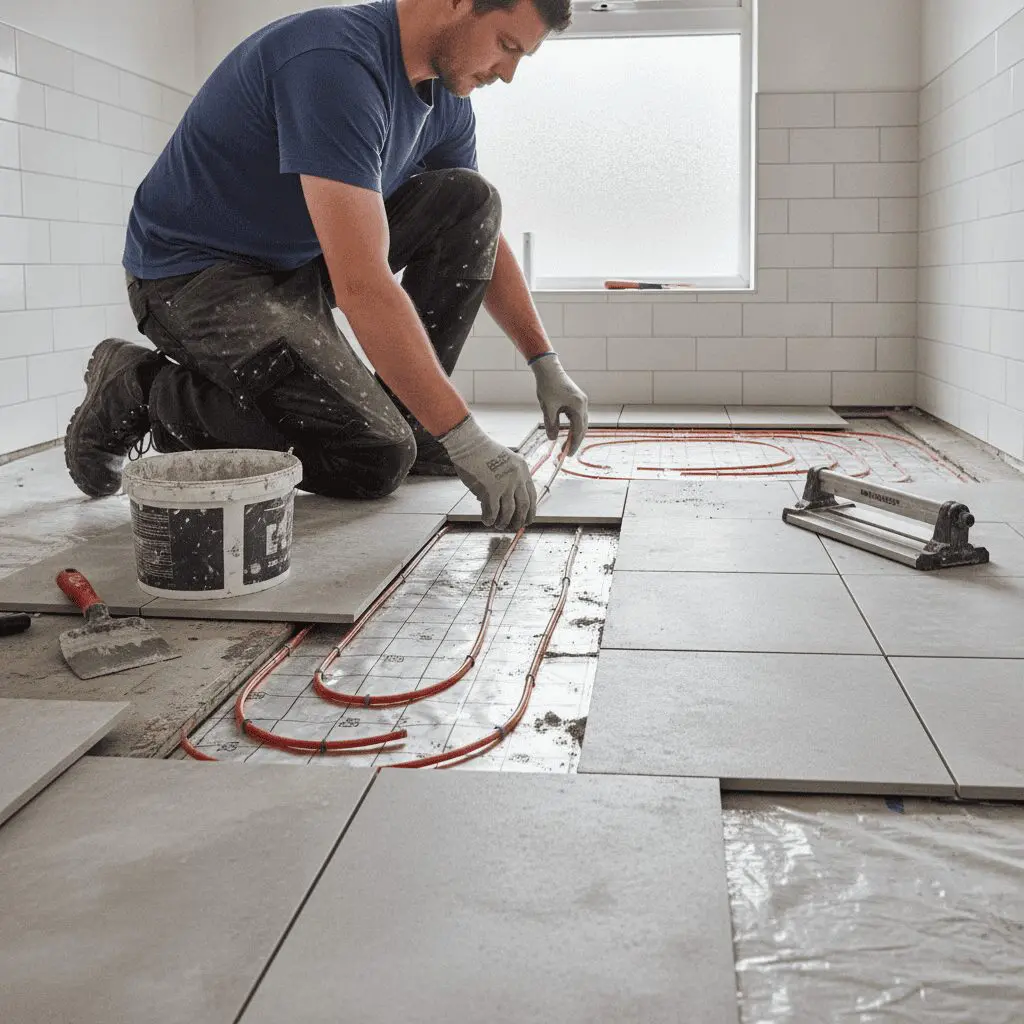
Electric underfloor heating is priced per kilowatt-hour, just like any other electrical appliance. As of 2026, standard electricity rates in South Yorkshire typically fall between 24p and 28p per kWh, depending on your tariff and supplier.
A typical bathroom with 5–6m² of electric underfloor heating draws around 750W to 900W. Running it for 2–3 hours a day costs roughly 40p to 75p per day, or between £12 and £23 per month. For a larger living room installation of around 20m², costs rise to between £1.50 and £3.00 per day.
Factors that affect electric UFH running costs
The main variables are floor area, how long you run the system each day, the type of floor covering, and the quality of your insulation. Electric underfloor heating responds quickly but stores heat less efficiently than wet systems, so using a smart thermostat or programmable timer is essential to avoid wasted energy.
Wet Underfloor Heating Running Costs
Wet underfloor heating is significantly more efficient for whole-house use. Because the water temperature is lower than a traditional radiator circuit, it pairs exceptionally well with modern condensing boilers and is ideal for heat pumps.
For a typical three-bedroom Sheffield semi-detached with good insulation, a wet UFH system covering the ground floor (approximately 70m²) might add between £250 and £600 per year to your heating bills depending on usage habits, insulation quality, and the efficiency of your boiler. That works out to roughly £20 to £50 per month when the heating is in regular use from October through to April.
If you upgrade to an air source heat pump alongside wet underfloor heating, running costs can drop further because heat pumps generate up to three units of heat for every unit of electricity used — making them much cheaper to run than gas boilers despite the higher electricity unit cost.
Underfloor Heating vs Radiators: A Running Cost Comparison
Traditional gas central heating with radiators heats water to around 70°C and relies on convection — hot air rising from the radiator and circulating around the room. Underfloor heating heats the floor surface to between 27°C and 29°C and warms the room from below through radiant heat.
Radiant heat is generally considered more efficient because it delivers warmth directly to the occupants and objects in the room rather than heating the air, which then rises to the ceiling and loses heat through the roof.
In practice, many Sheffield homeowners find their heating bills stay similar or slightly lower after switching to wet underfloor heating — but they benefit from more even warmth and the freedom to remove radiators entirely, opening up wall space and improving the look of their rooms.
Electric underfloor heating used across an entire house will generally cost more than radiators. It is most economical when used selectively — in a bathroom or a tiled kitchen floor where you want underfoot warmth without running the whole heating system.
How to Keep Underfloor Heating Running Costs Down
There are several practical steps Sheffield homeowners can take to make underfloor heating as cost-efficient as possible.
Use a smart thermostat or zone controls. Modern systems allow you to set different temperatures for different rooms and schedule heating around your daily routine. Heating rooms only when you need them makes a big difference to overall consumption.
Lower the thermostat slightly. Because underfloor heating delivers warmth from the floor up, most people feel comfortable at 1–2°C lower than they would with radiators. A small reduction in target temperature can reduce running costs noticeably over a full heating season.
Improve floor insulation. If you are having underfloor heating installed, insisting on quality insulation boards beneath the pipes or cables will pay for itself quickly. Heat directed downwards into the subfloor rather than up into the room is wasted energy.
Let it run consistently. Wet underfloor heating systems work best when they run at a steady low level rather than being switched on and off frequently. A consistent low temperature is often more economical than heating from cold each morning.
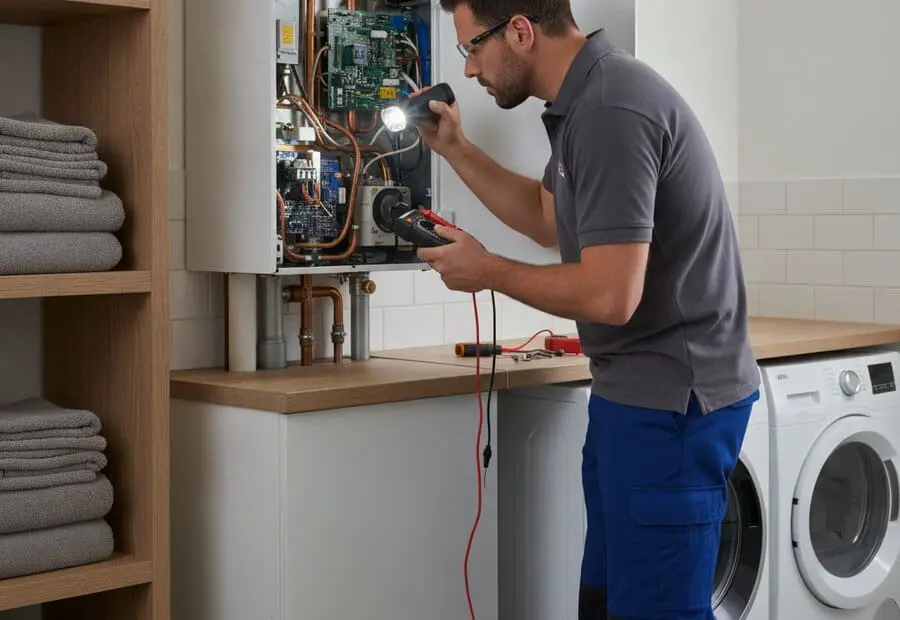
Service your boiler or heat pump annually. A boiler that is not running at peak efficiency costs more to run and delivers less heat. An annual service by a Gas Safe registered engineer ensures the system is working as well as it should.
When Is Underfloor Heating Worth the Running Cost?
Underfloor heating is most cost-effective in certain situations. New builds and extensions are ideal because the system can be designed from the outset with proper insulation. Open-plan living spaces benefit enormously from the even distribution of radiant heat. Homes with heat pumps gain a substantial efficiency advantage from the low flow temperatures UFH requires.
In older Sheffield properties — particularly Victorian and Edwardian terraces — the decision depends on your floor construction and insulation. Retrofitting wet underfloor heating into solid floors requires more work and a higher upfront investment, but the long-term comfort and efficiency gains are real.
Electric underfloor heating is almost always worth it in tiled bathrooms and kitchens where you want warm floors without running a full heating circuit. The running cost is modest for a small area, and the comfort benefit is significant.
Heat365 designs and installs wet and electric underfloor heating systems across Sheffield, Rotherham, Barnsley, Doncaster, Chesterfield and Worksop.
Get a free quote from our heating engineers or call us to discuss your options.
Ready to Install Underfloor Heating in Sheffield?
Whether you are planning a new build, a ground floor extension, or a bathroom refurbishment, Heat365 can advise on the right underfloor heating solution for your property and budget. Our Gas Safe registered engineers and heating specialists work across Sheffield and the surrounding South Yorkshire area.
We can assess your existing boiler, recommend the most efficient system for your home, and carry out a full installation to a high standard. Get in touch today to request a quote or to ask any questions about underfloor heating running costs and what to expect.
Learn more about our underfloor heating service or contact Heat365 to book a consultation.