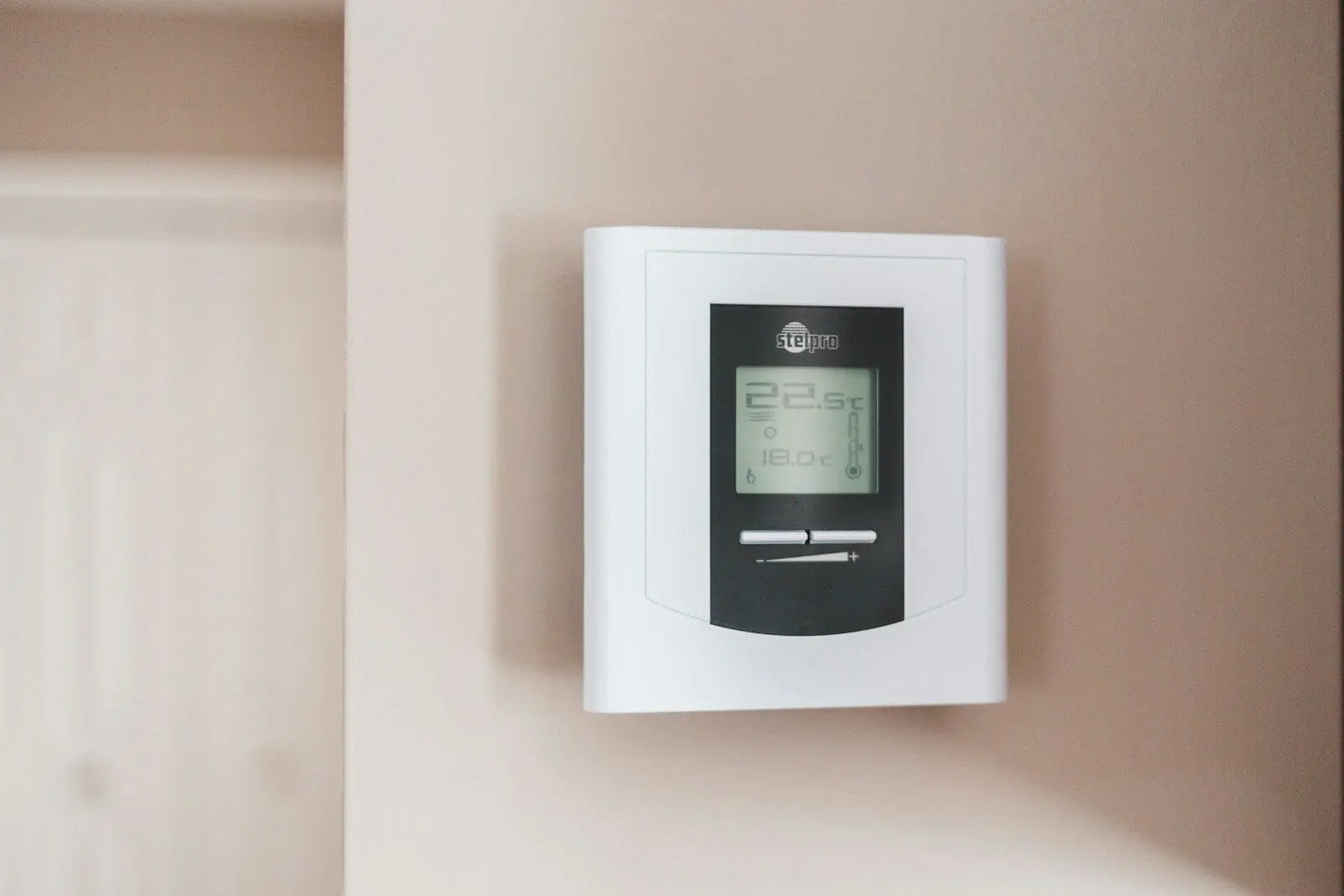
A boiler that keeps losing pressure is more than a nuisance.
It can leave you with no heating, no hot water, or repeated lockouts.
This guide shows what to check first, what you can safely do yourself, and when you need a plumber in Sheffield.
What boiler pressure should be
Most combi boilers in UK homes run best when the system pressure sits around 1.0 to 1.5 bar when cold.
When the heating is on, that number often rises slightly.
The key is stability.
If you keep topping up and it keeps dropping, something is letting water out of the sealed system.
Quick rule you can use
If pressure drops a little over months, you may have a slow issue.
If it drops within days, or your boiler locks out, you need proper fault-finding.
Signs your boiler pressure is dropping
Pressure loss does not always show up as a puddle on the floor.
- Your boiler shows a low-pressure warning or error
- Radiators feel cooler at the top or heat up unevenly
- Boiler cuts out when heating starts
- You hear gurgling in radiators or pipework
- You keep needing to top up the pressure
If your heating feels inconsistent, it’s worth checking the gauge before you chase other faults.
Many “boiler problems” start with a simple pressure issue.
Fast checks you can do in 10 minutes
1) Look at the boiler gauge
Check the pressure when the system is cold.
If it is below 1 bar, your boiler may struggle or lock out.
2) Look for obvious leaks
Check around the boiler, under radiators, and at visible valves.
Pay attention to towel radiators and radiator tails where small drips can go unnoticed.
3) Check the pressure relief pipe outside
Many boilers have a copper pipe that exits through an outside wall.
If you see regular dripping from that pipe, the system may be dumping water to protect itself.
4) Check one radiator bleed valve
If a bleed valve is loose or damaged, it can seep and drop pressure slowly.
Look for water marks or staining on the wall below the valve.
If you find damp patches but no clear source, you may be dealing with a hidden leak.
In that case, leak detection and repair helps locate the problem without tearing up floors for guesswork.
Most common causes of pressure loss
Small leak on a radiator or valve
This is one of the most common causes we see.
It might not drip constantly. It can seep when the system heats up and expands.
- Radiator valve glands (near the spindle) can weep
- Compression joints can loosen over time
- Bleed valves can fail or not seat properly
Boiler pressure relief valve opening
The pressure relief valve is a safety device.
It opens if pressure rises too high, then dumps water outside.
Common reasons it opens:
- Faulty expansion vessel
- Expansion vessel needs recharging
- Overfilling the system during a top-up
- Pressure spikes when the boiler heats up
Expansion vessel problems
Your sealed system needs space for water to expand when it heats up.
The expansion vessel provides that space.
When it fails or loses charge, pressure rises quickly during heating, then drops again after the boiler dumps water.
Many homeowners see this as a “mystery” pressure loss.
Air in the system
Bleeding radiators removes air, but it can also drop pressure slightly afterwards.
If you have to bleed often, ask why air keeps getting in.
- Micro-leaks pulling air in as they cool
- Poor system circulation
- Corrosion creating gas inside old pipework
Internal leak in the boiler
You may not see water outside the unit because it can run through internal components and out via the condensate or case drainage.
This needs proper inspection during servicing or repair.
If you also see brown or rusty water
Pressure loss plus discoloured water can point to corrosion and internal system problems.
See: why your boiler may be leaking rusty water.
How to repressurise safely
Topping up pressure is not a “fix”.
It is a short-term step to get heat and hot water back while you work out why the pressure dropped.
Before you start
- Let the boiler cool down
- Find the filling loop (built-in keyless lever or a braided hose)
- Know where the pressure gauge is (dial or digital)
Top up slowly
- Open the filling loop gently
- Watch the gauge climb
- Stop around 1.2 to 1.5 bar when cold
- Close the filling loop fully
After topping up
- Reset the boiler if it has locked out
- Run heating for 10 minutes
- Recheck pressure once it cools
Do not keep topping up every few days
Repeated topping up adds fresh water and oxygen into the system.
Over time, that increases corrosion risk and can shorten the life of radiators and boiler parts.
When to call a plumber
Some pressure issues stay small for months, then suddenly get worse.
These are the triggers to book a visit.
- Pressure drops from normal to low within 24 to 72 hours
- You see dripping from the outside pressure relief pipe
- Your boiler keeps locking out
- You have damp patches and can’t find the leak
- Radiators keep needing bleeding
- Pressure rises high when heating is on, then drops after
If your boiler is also showing other faults, start with a proper check-up.
Book a boiler repair in Sheffield to test pressure behaviour, safety devices, and heating performance.
How to stop it happening again
Fix the root cause, not the gauge
If you only top up, pressure loss returns.
Once you identify the cause, the solution is usually straightforward.
Keep radiators and circulation healthy
Poor circulation and sludge create knock-on problems in sealed systems.
If radiators heat unevenly or stay cool, our radiator services can help identify the real issue.
Stay ahead with planned servicing
A service is not just a tick-box.
It’s the best time to catch small leaks, pressure instability, and component wear before they fail.
If you are planning a boiler upgrade, you can also review boiler installation in Sheffield options and ensure the system setup is right from day one.
Internal links you can add in this post
FAQs
How quickly should boiler pressure drop?
It should not drop quickly at all on a sealed system.
If it falls from normal to low within a few days, you likely have a leak or a safety discharge issue.
Is it safe to keep topping up boiler pressure?
It can get you going short-term, but repeated topping up can worsen corrosion and mask the real fault.
If you top up more than once every few weeks, get it checked.
Why does my boiler pressure rise when heating is on?
A small rise is normal as water expands when hot.
A big rise can point to an expansion vessel problem, especially if the system then dumps water and pressure drops after.
Can bleeding radiators cause low boiler pressure?
Yes. Bleeding releases air, and you may lose a little water too.
You may need to top up afterwards to bring pressure back to normal.
Do I need a plumber or a boiler engineer for pressure loss?
If it is a radiator or visible pipe leak, a plumber can fix it.
If it is internal boiler components, safety discharge, or expansion vessel issues, book a boiler service or repair visit.